Nipmuc Homeland · Chartered 1715 · Start of the Boston Marathon
Where Hopkinton's Story Lives
From the Nipmuc families who knew this ground long before a deed was written, to the penny-an-acre leases that built a town, to the starting line that gave Hopkinton a place in the world's imagination every April — explore the people, places, and records that make up our shared story.
Hours
Open most Mondays
2:00 PM – 5:00 PM
Closed some legal holidays · other times by appointment
Admission
Free, donations welcome
Become a member to support our work year-round
Location & Parking
168 Hayden Rowe Street, Hopkinton, MA 01748
Parking available in the large dirt lot in front of the building
Explore Hopkinton
Interactive Map
Explore historic sites, landmarks, and points of interest across Hopkinton on our interactive map.
| Colonial, before 1775 | |
| Federal, 1775–1829 | |
| Early Industrial, 1830–1869 | |
| Late Industrial, 1870–1914 | |
| Early Modern, 1915–1939 | |
| Modern, 1940–present | |
| No date recorded |
Visual Storytelling
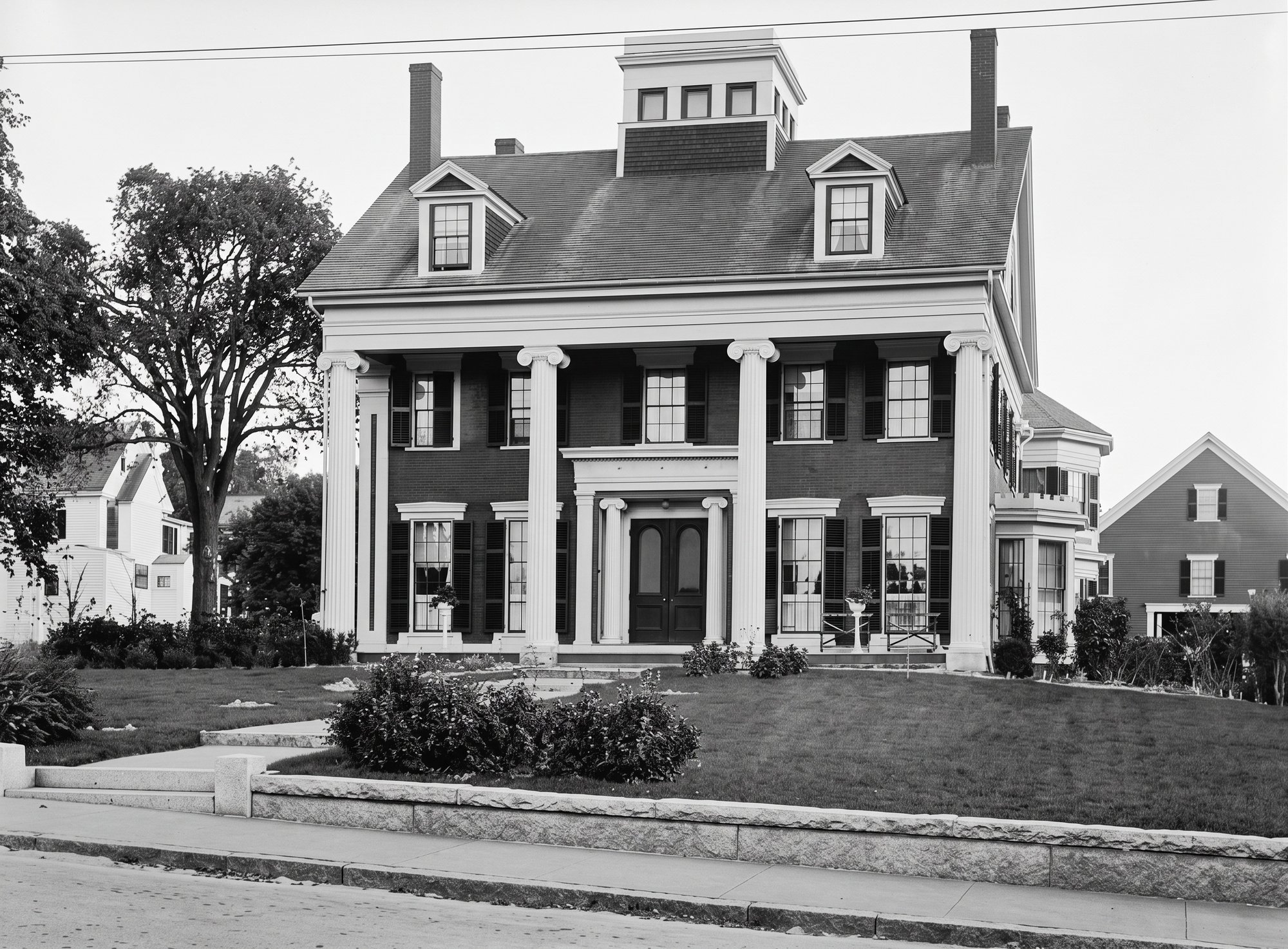
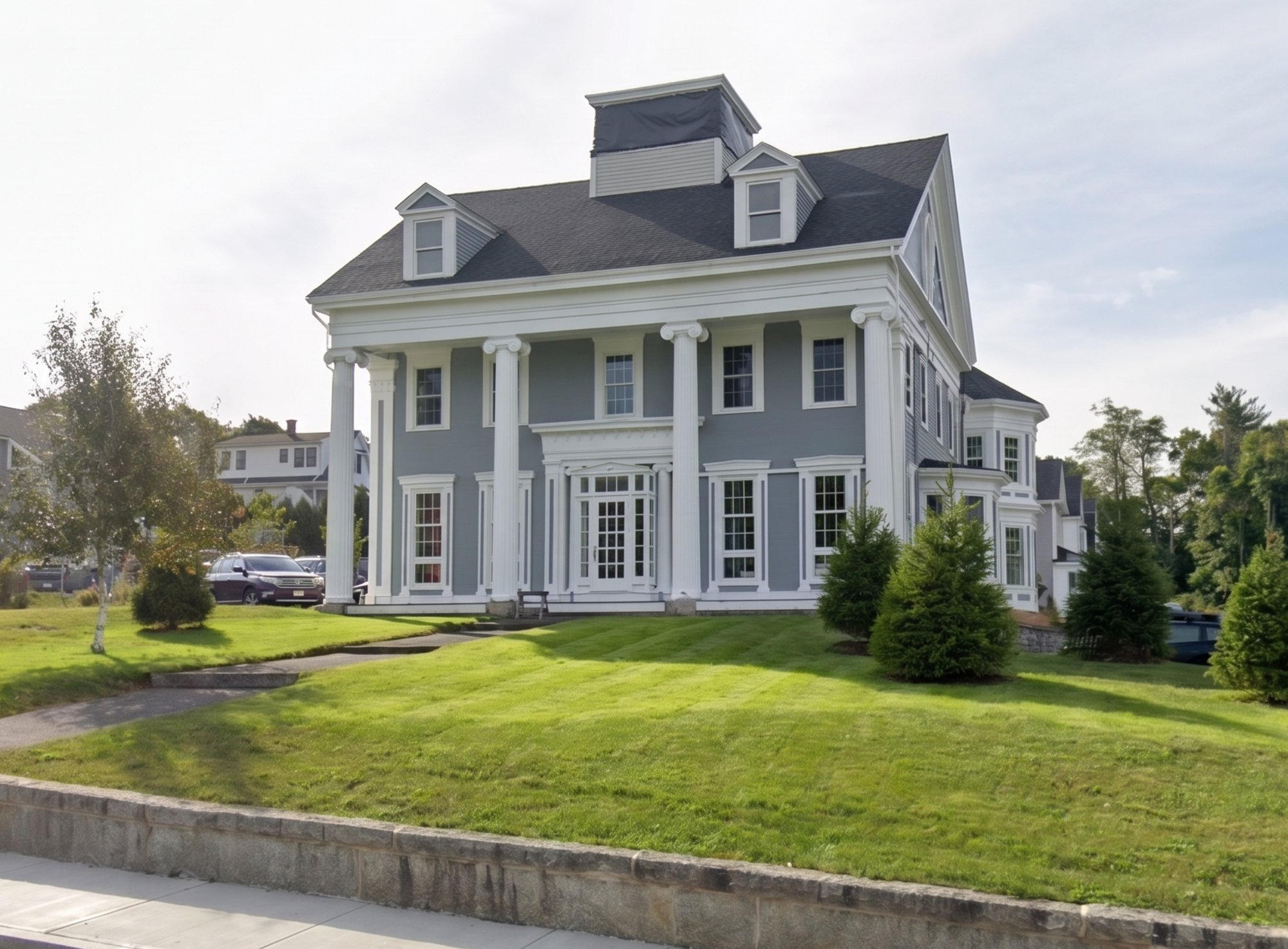
Hopkinton, then and now
Our archive holds maps, atlases, and photographs stretching back to Matthew Metcalf's 1831 survey and the Beers atlases of the 1870s. We're building a growing gallery of side-by-side “then and now” comparisons, drone footage of town landmarks, and zoomable scans of the maps that shaped Hopkinton's borders.