168 Hayden Rowe Street, Hopkinton, MA 01748 · Open Mondays, 2–5pm

Then & Now

Each archival photo below starts on the right side of its frame — press Reveal to slide it to the left and see the same location today, side by side.

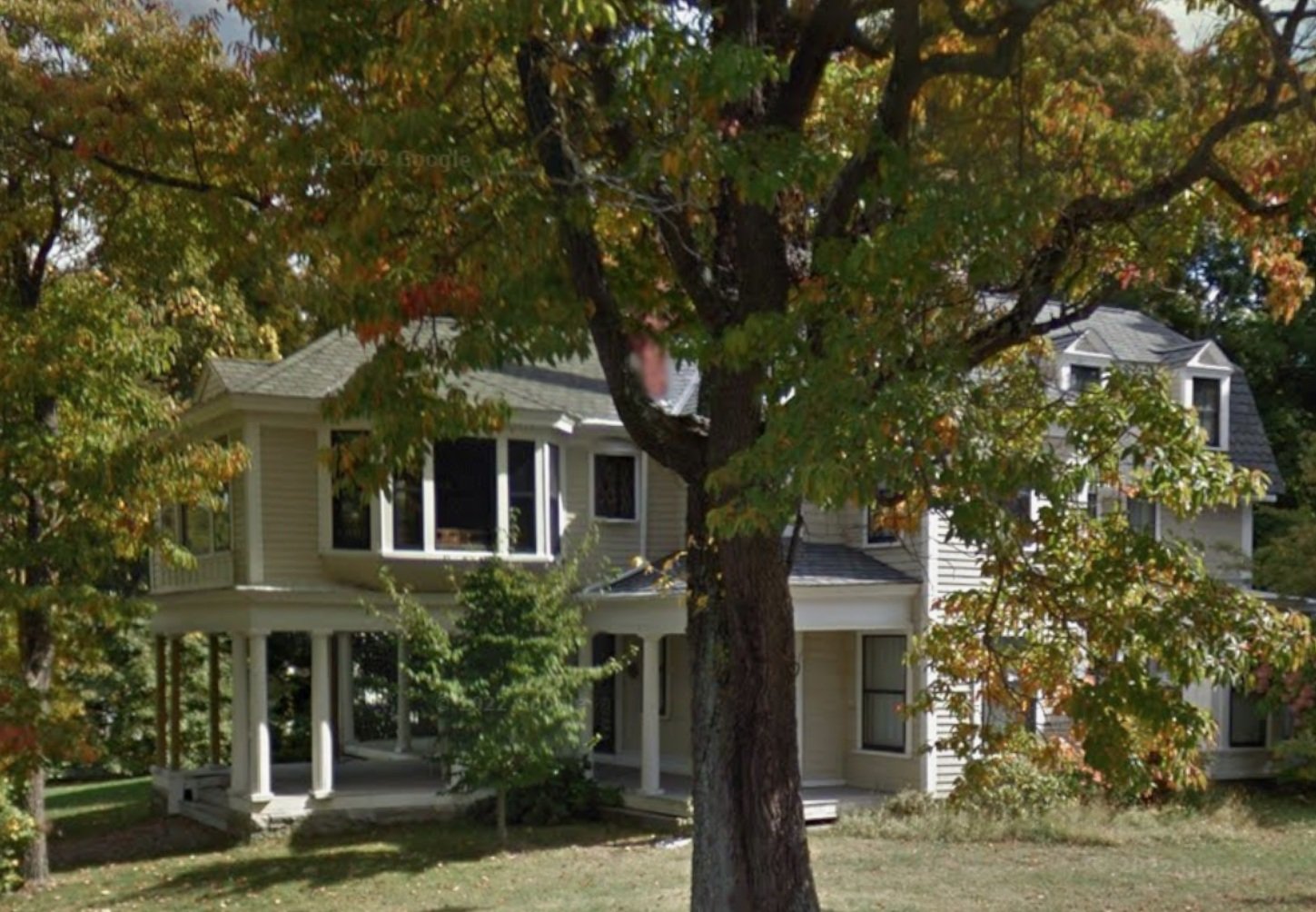
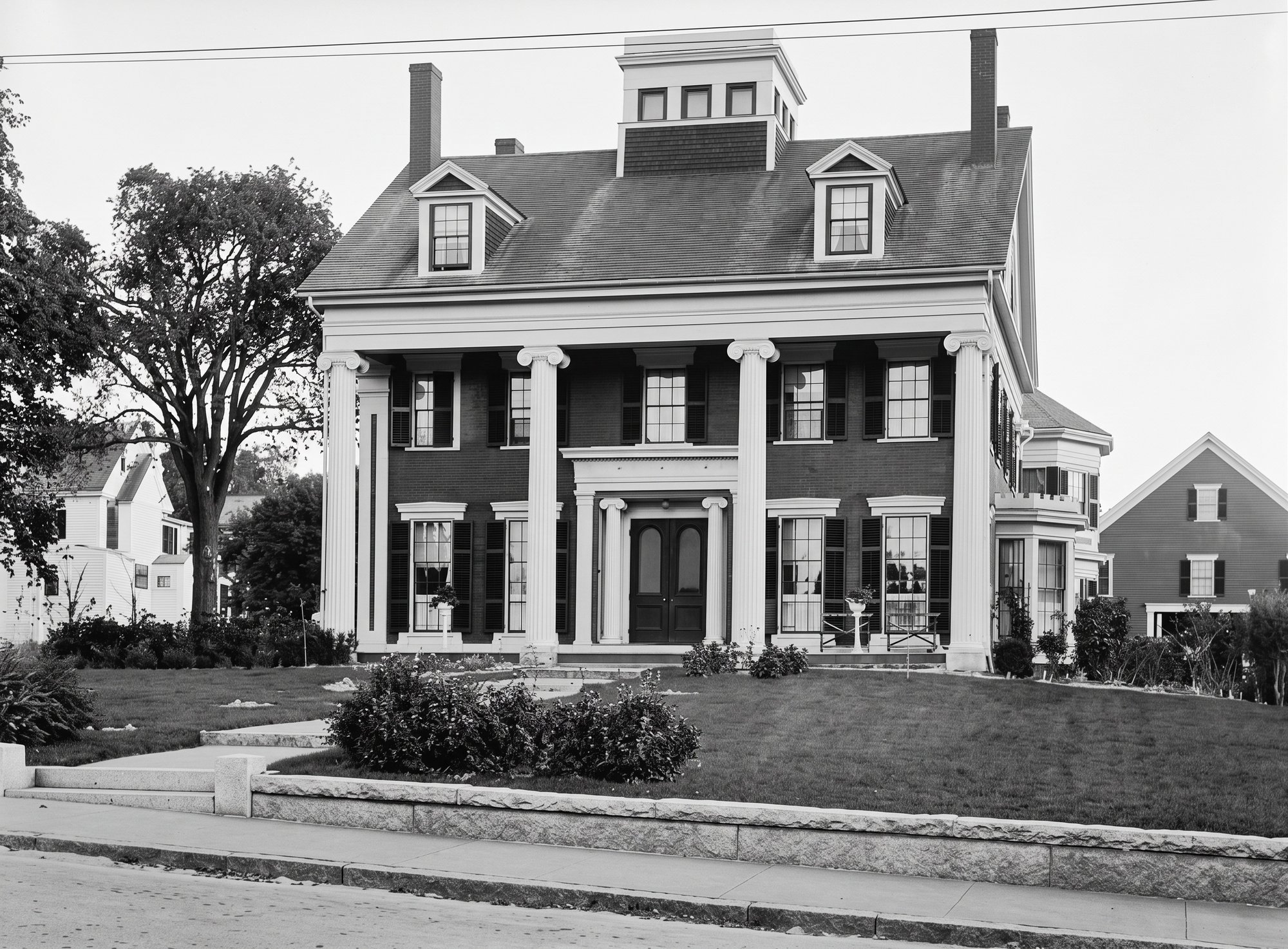
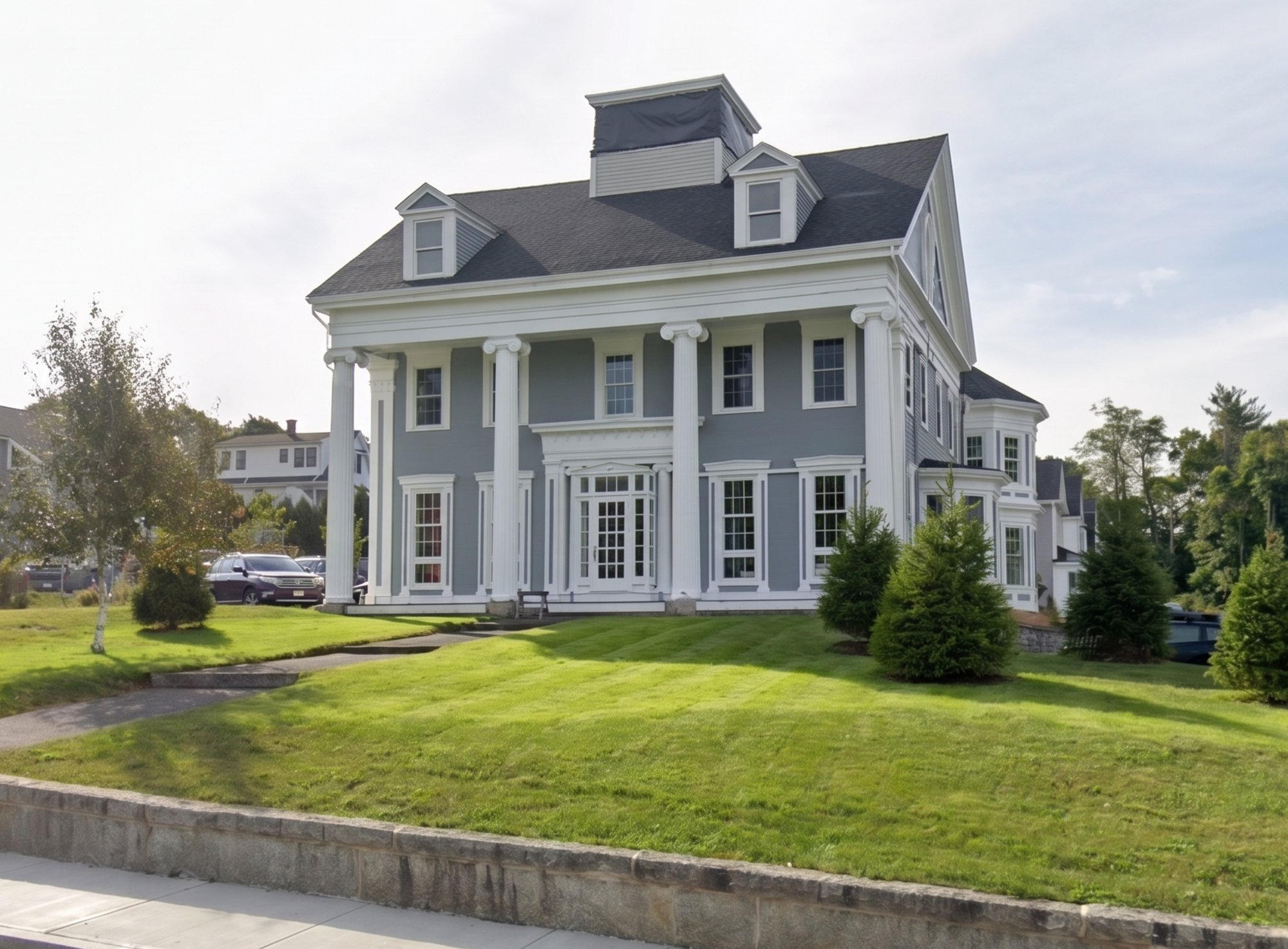
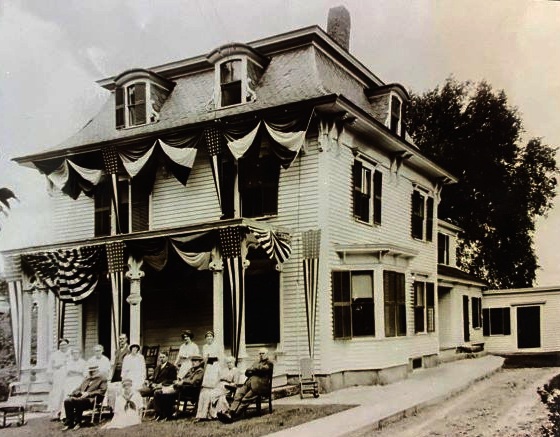
C.L. Claflin House

The Charles Leslie Claflin home at the corner of Park Street and Hayden Rowe Street was built around 1890. His father was Charles Winslow Claflin, a bootmaker, innkeeper of Hopkinton's Stone Tavern, co-founder of another tavern (the Central Coffee House), and founder of C.W. Claflin Co., a lumberyard on the site of today's Hopkinton Lumber. Charles also donated the stone fountain on the Hopkinton Town Common in honor of his parents.
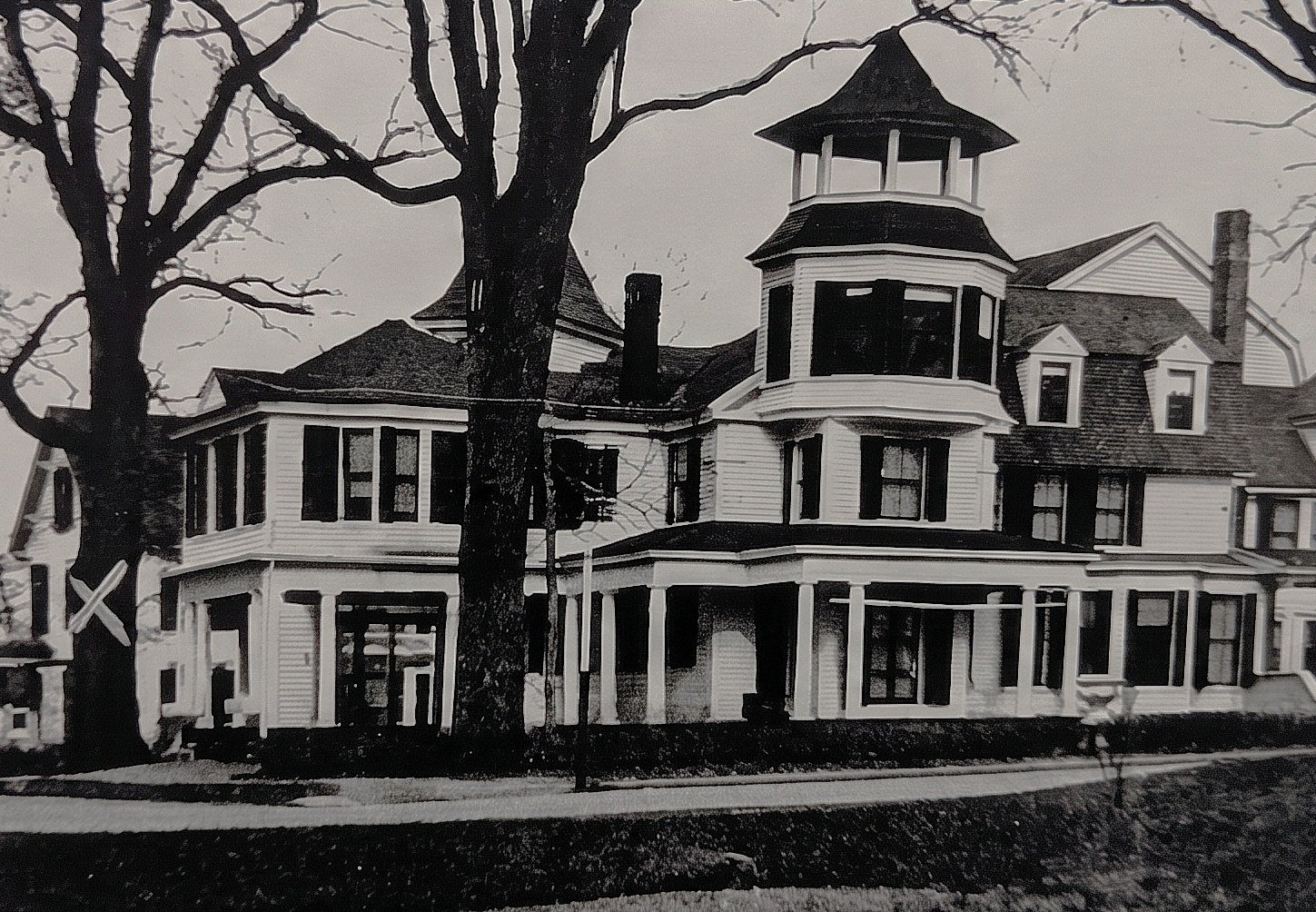
C.L. Claflin House, in an earlier era Then
C.L. Claflin House, today Today
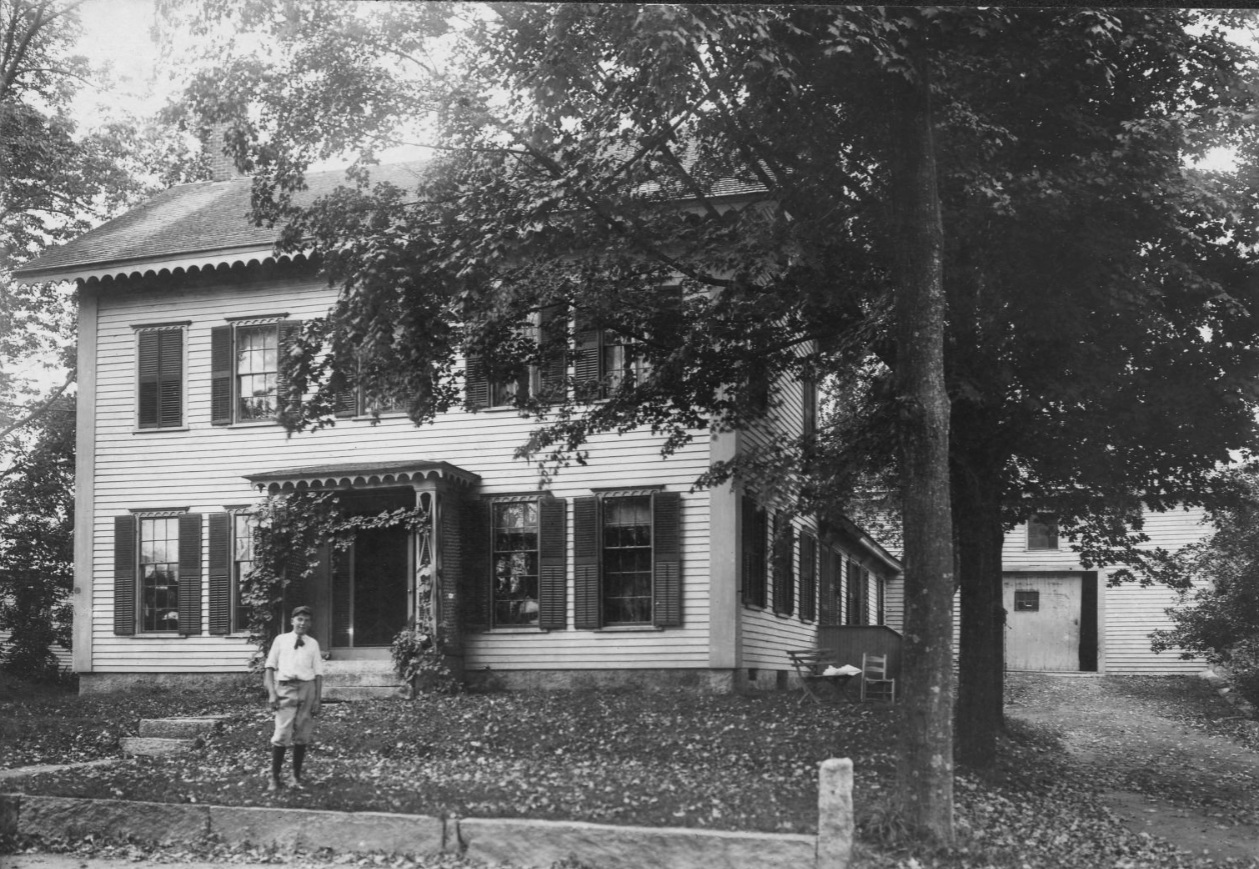
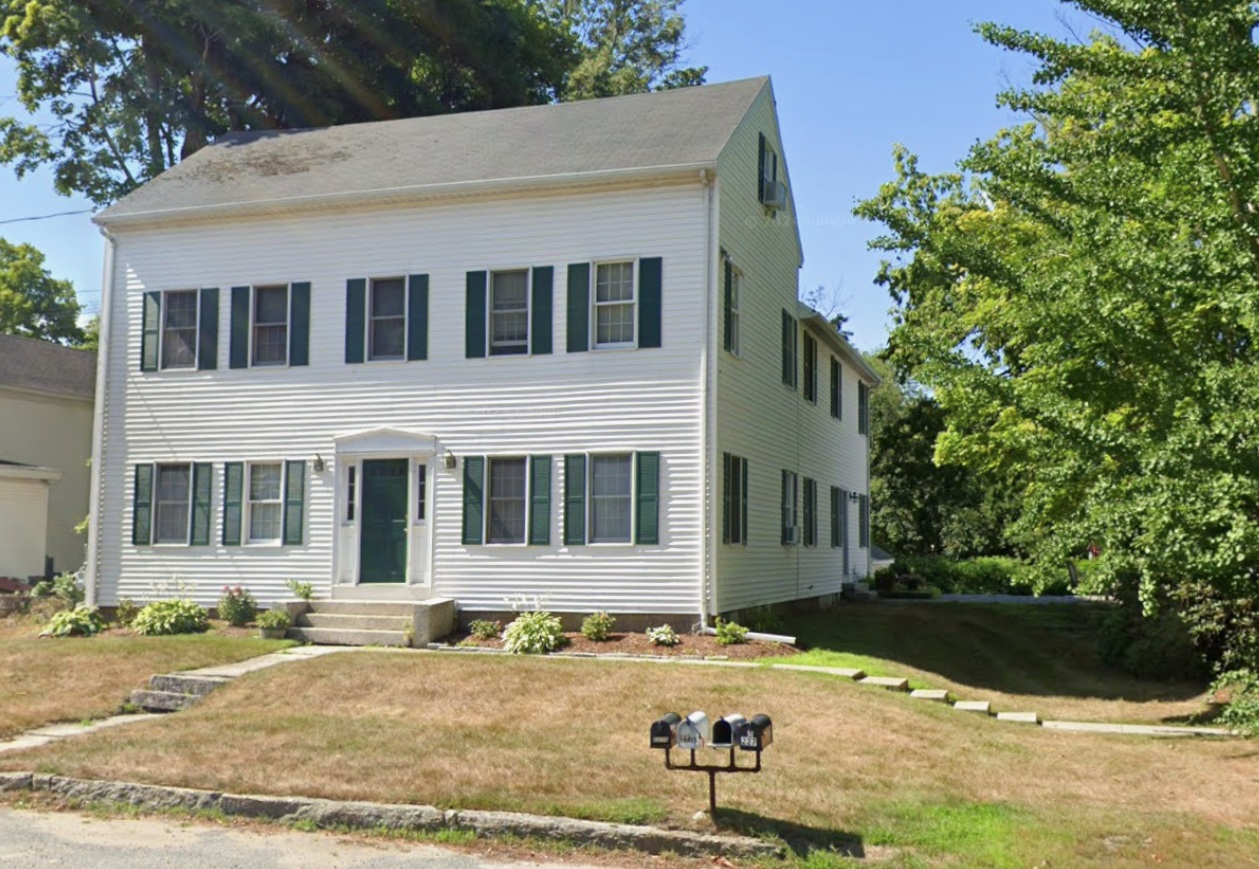
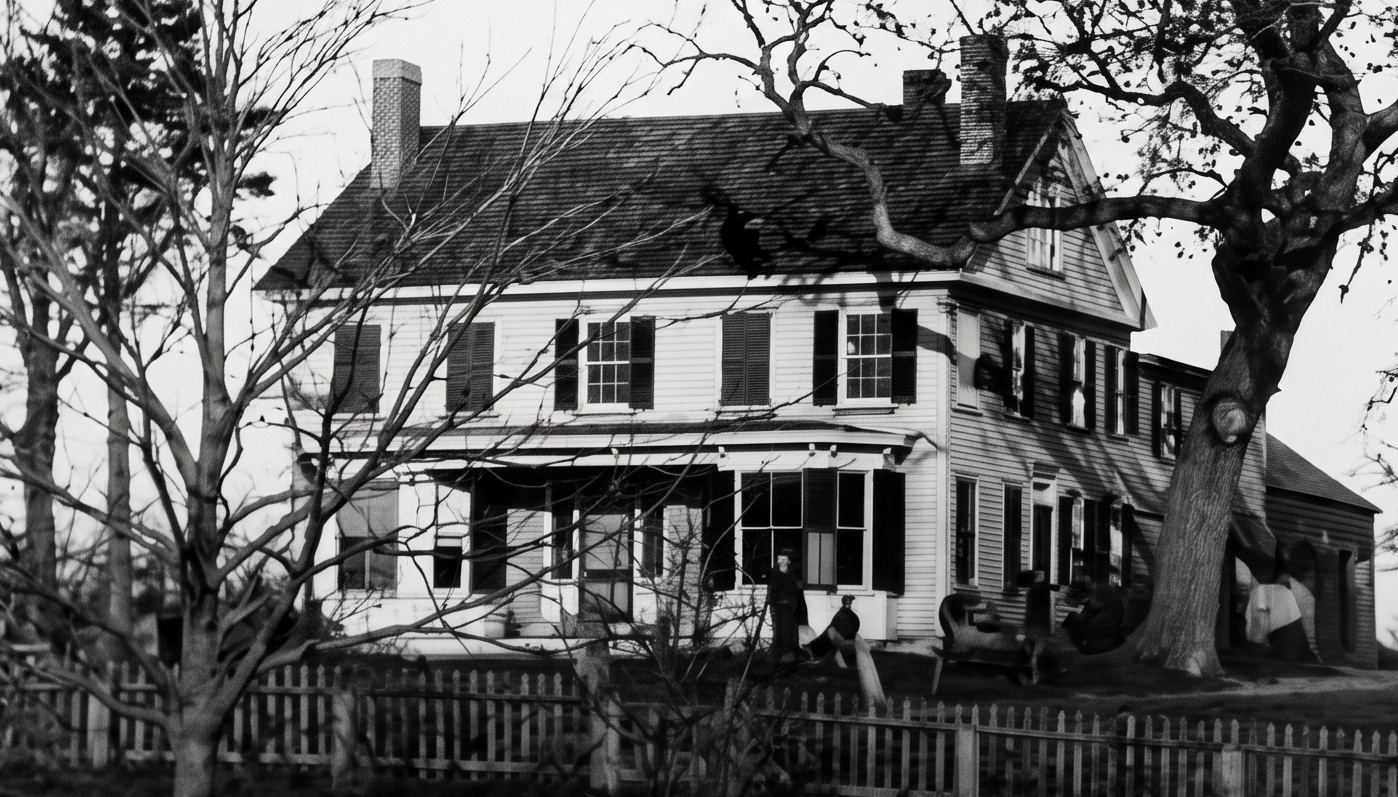
Charles Seaver House

The Charles Seaver house at 227 Wood Street was originally built sometime around the 1840s. At the time this photo was taken, it was owned by Mrs. G.E. Wood.

Charles Seaver House, in an earlier era Then
Charles Seaver House, today Today

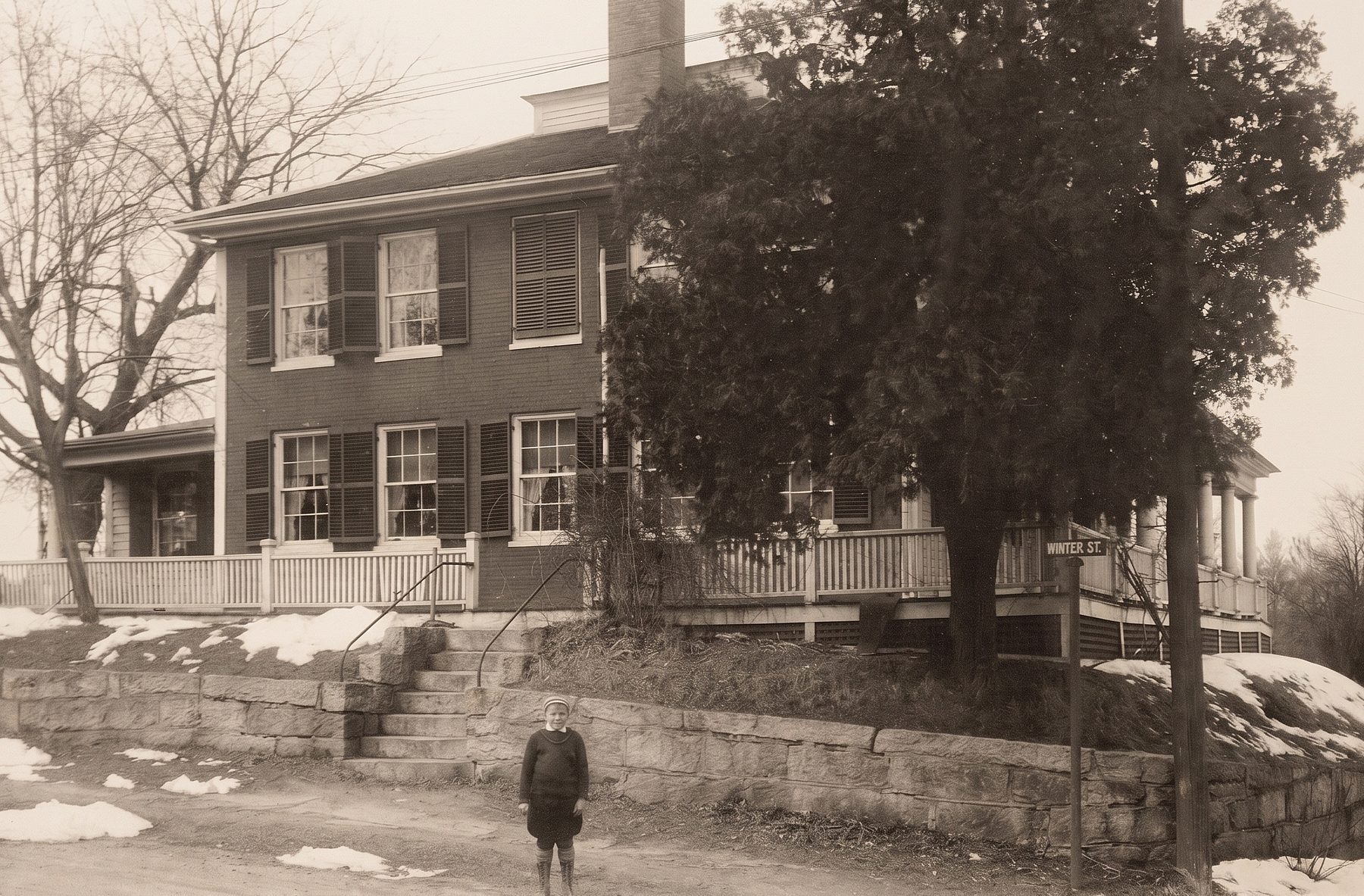
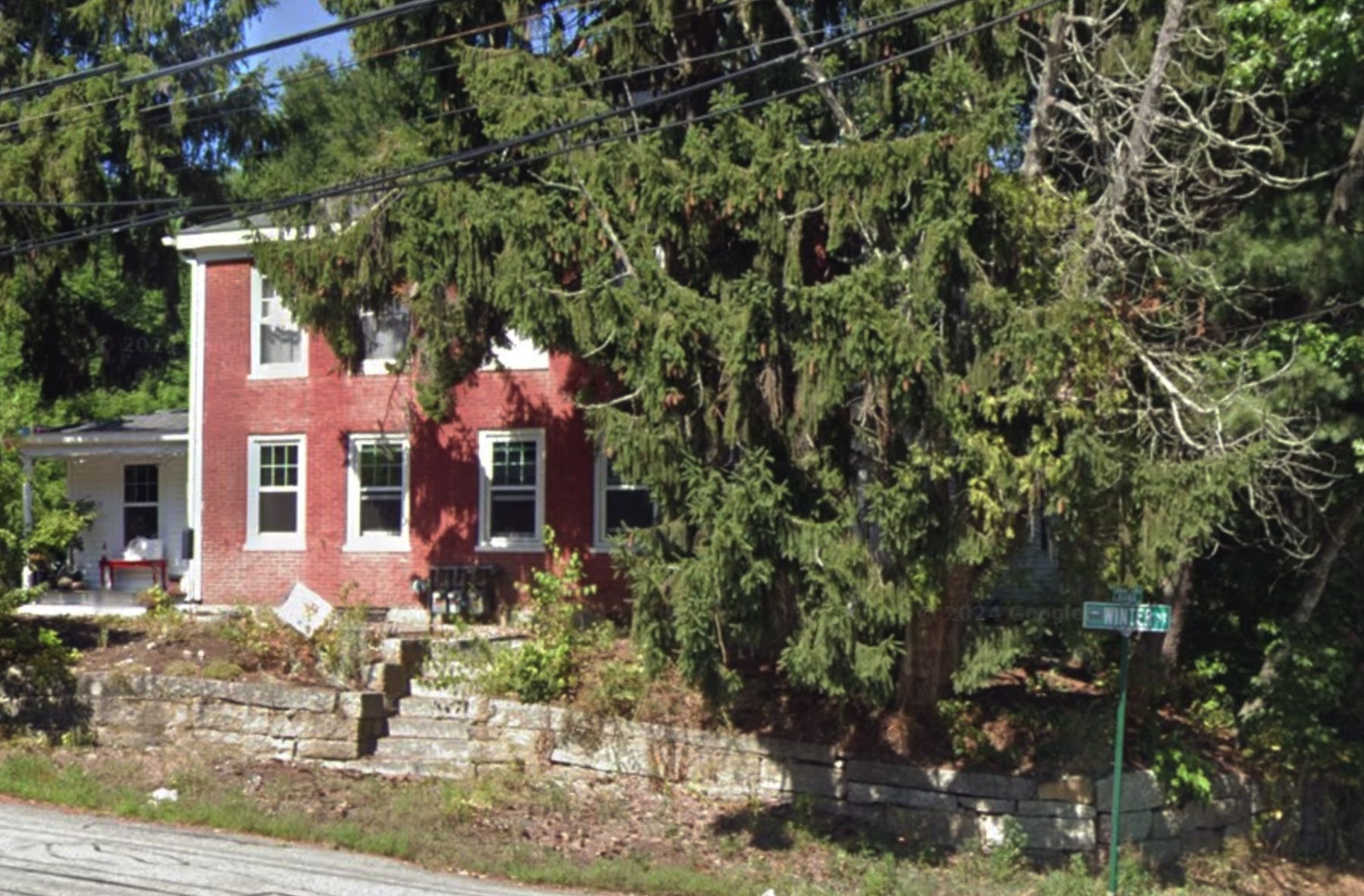
Colonel Albert Woods Home

This Federal-style house at 235 Wood Street, on the corner of Wood and Winter Streets, was the home of Colonel Albert Wood, a prominent member of the Wood family that settled Hopkinton's Woodville section in the early 1700s.

Colonel Albert Woods Home, in an earlier era Then
Colonel Albert Woods Home, today Today

Dr. Jefferson Pratt House

The Dr. Jefferson and Harriet J. Pratt House was likely built c. 1849 by the couple. Dr. Jefferson Pratt (1803-1883) was born in western Massachusetts, where he attended Berkshire Medical College. He began practicing medicine in Hopkinton in 1827, and early census records indicate he lived elsewhere in town before building the Dr. Pratt House.

Dr. Jefferson Pratt House, in an earlier era Then
Dr. Jefferson Pratt House, today Today

Fitch Adams House

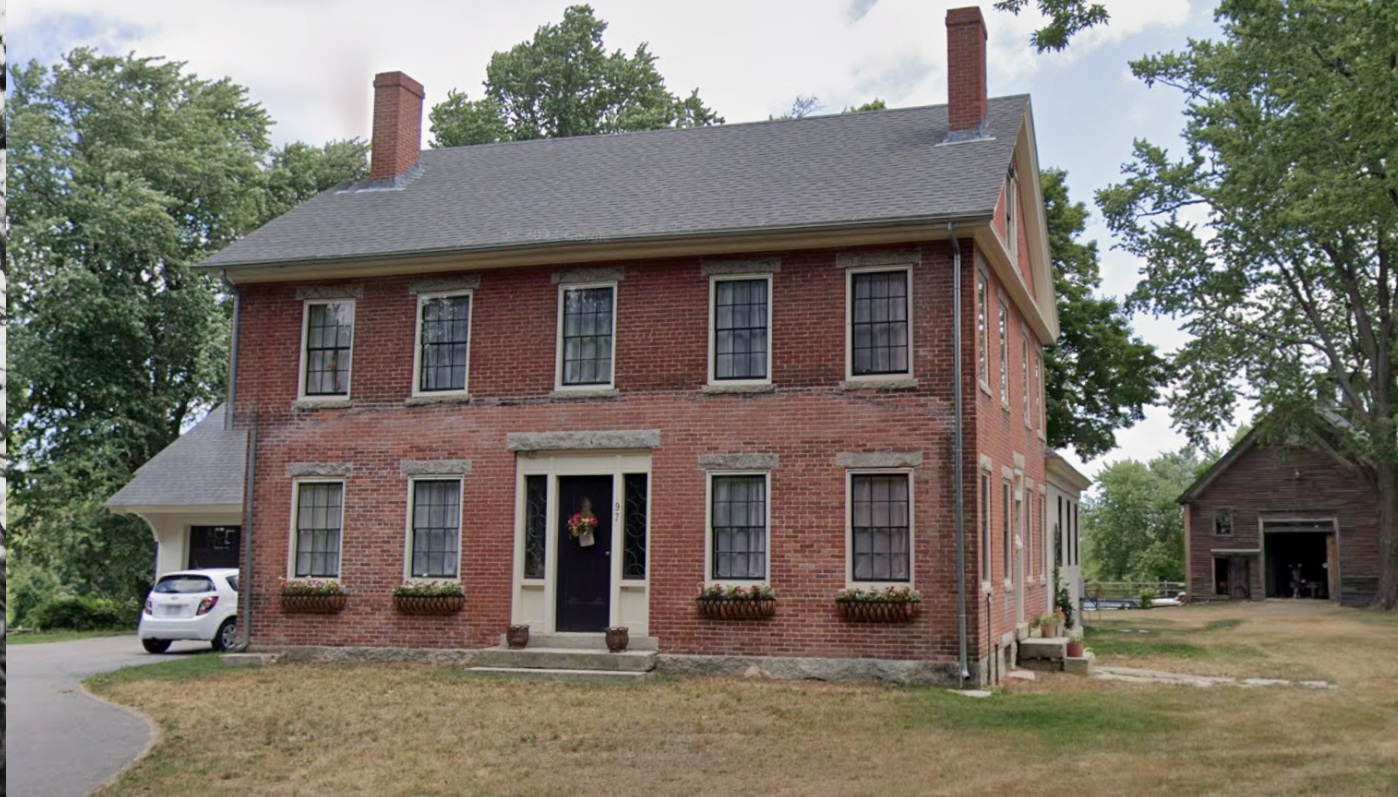
This photo of the John A. Fitch House was taken in 1882. The house still stands at 97 Ash Street. Rev. Elijah Fitch built a smaller house there in the 1780s. His heirs sold it in 1813 to John and Johanna Adams, who constructed the present 2½-story brick Federal/Greek Revival farmhouse around 1812–1813 and attached it to the earlier Fitch structure. Bricks were reportedly hauled from Cambridge, which slowed construction.

Fitch Adams House, in an earlier era Then
Fitch Adams House, today Today

Gerry House

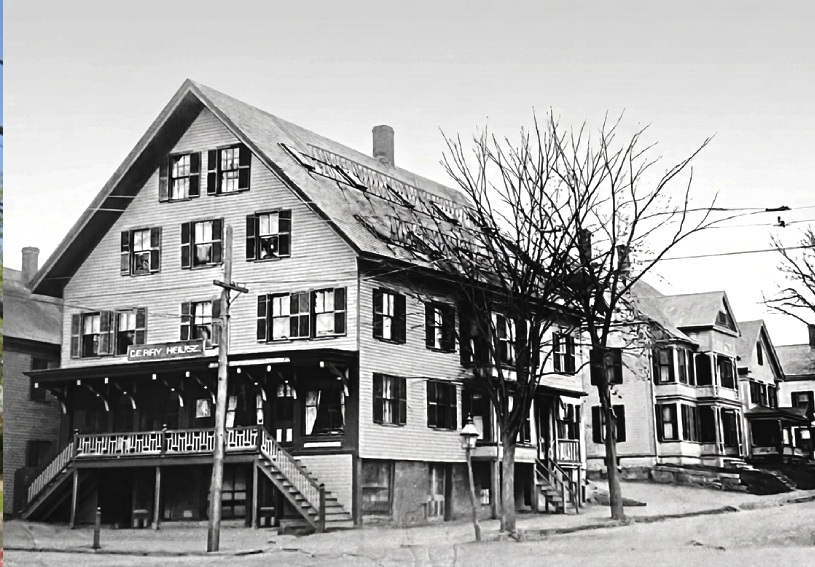
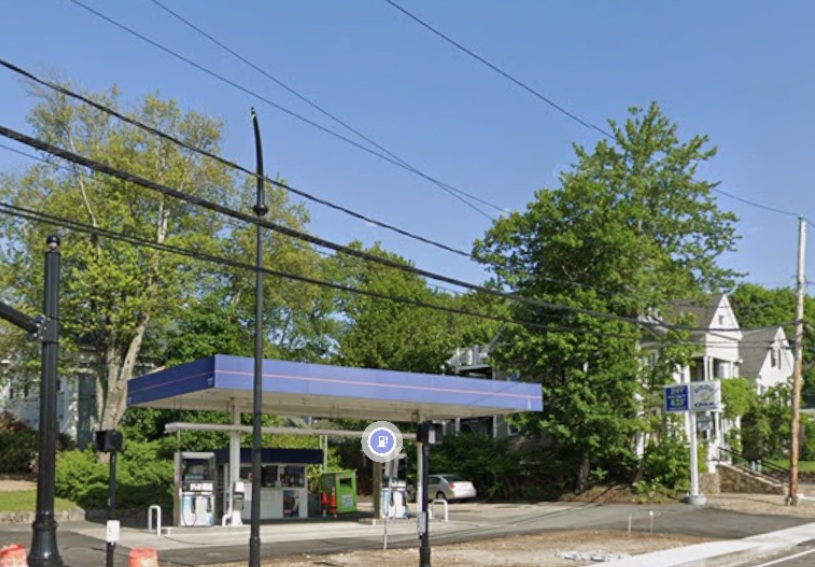
The Gerry House once stood at the corner of Main and Grove Streets.

Gerry House, in an earlier era Then
Gerry House, today Today

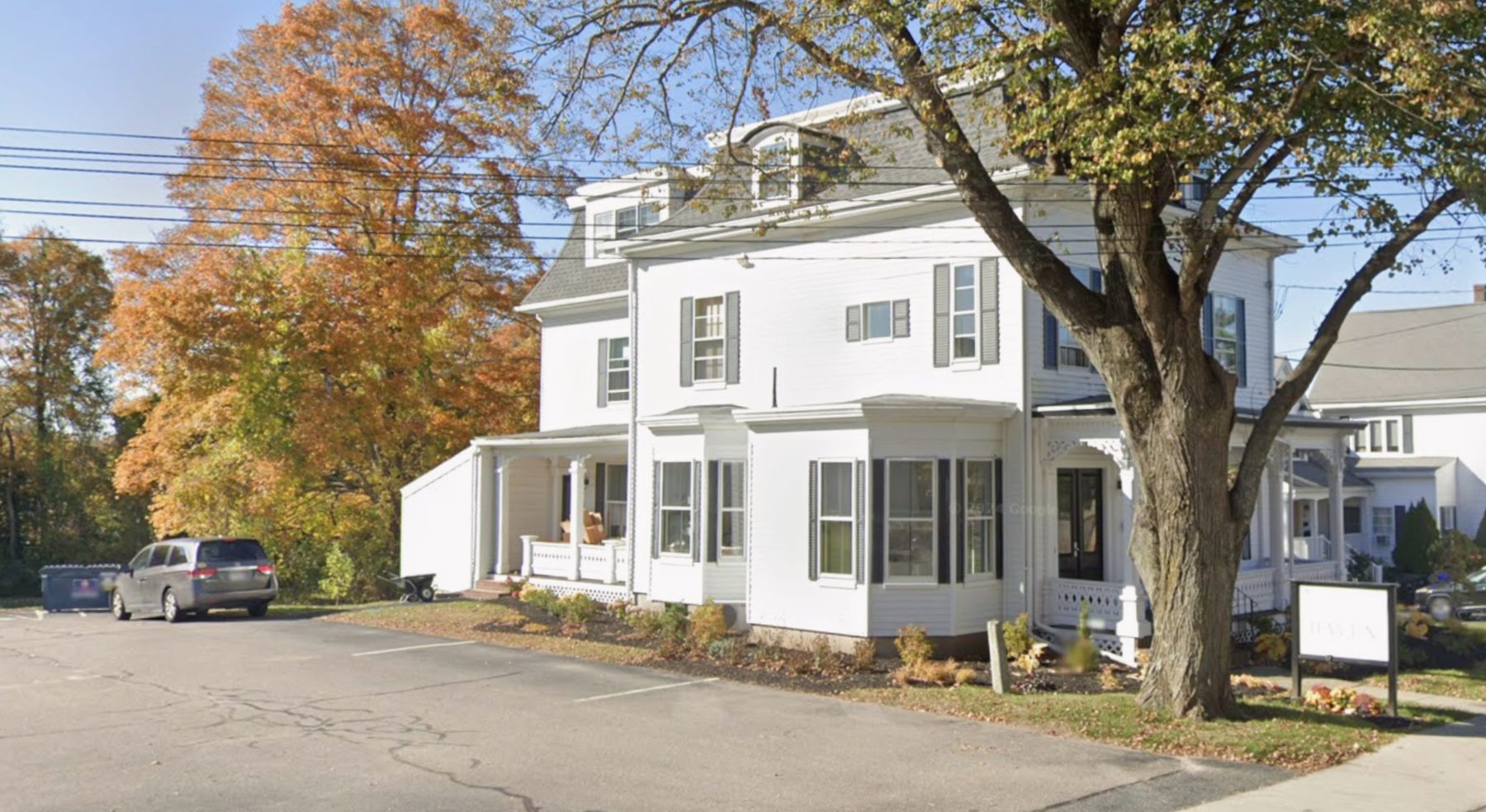
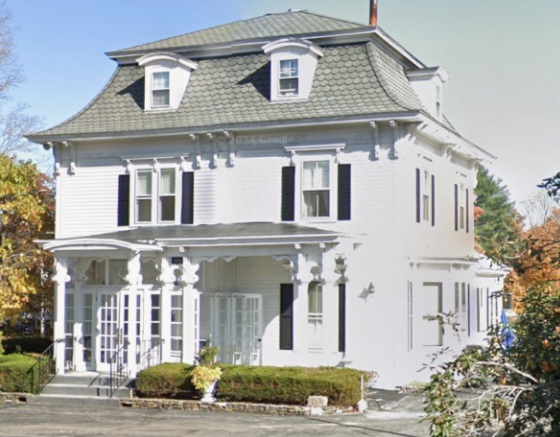
Home Of Walter Phipps MD

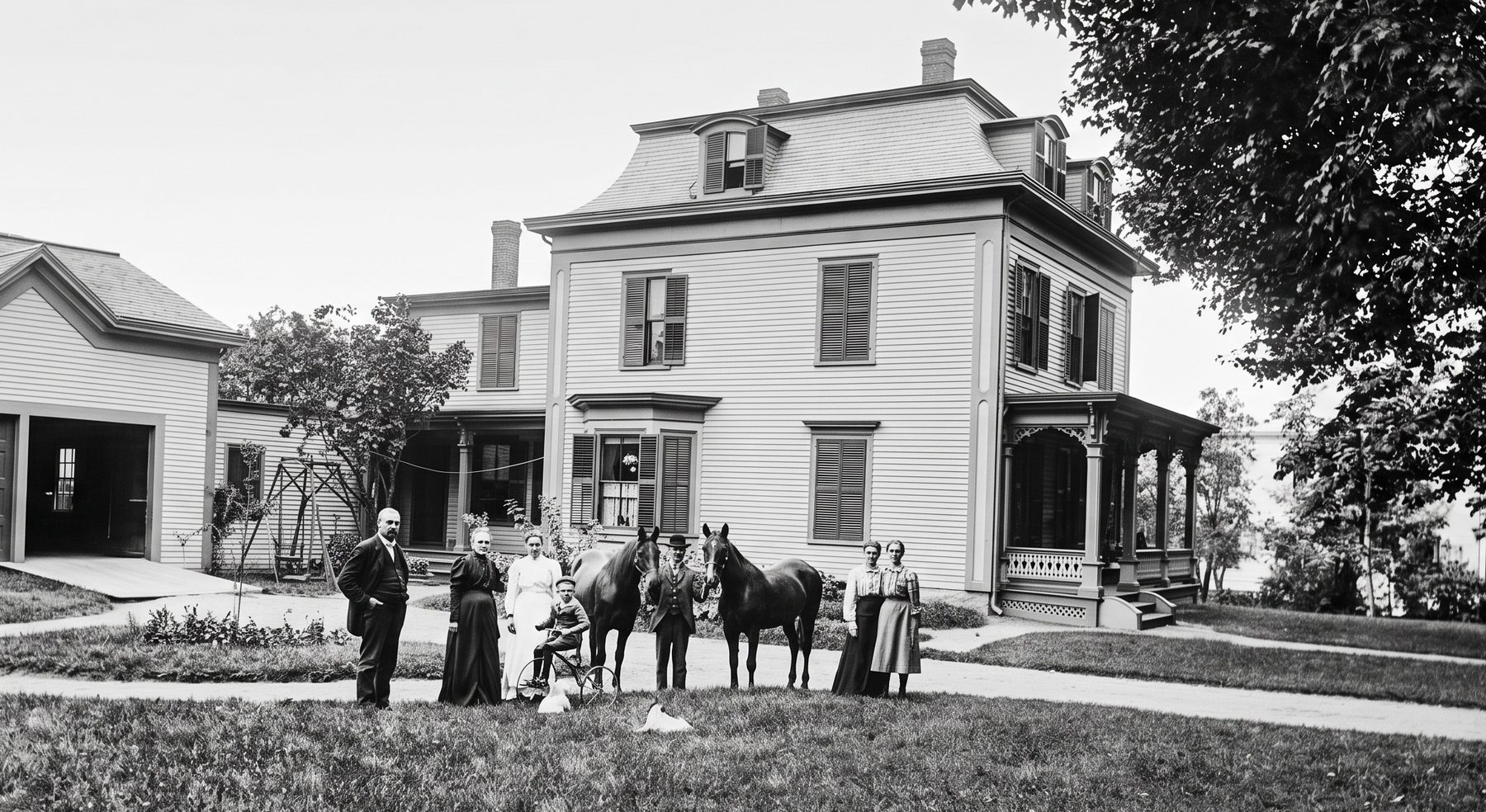
Built circa 1870–1880 during the height of Hopkinton's Victorian-era expansion, this Church Street home belonged to Dr. Walter Phipps, MD, and is distinguished by its elegant Second Empire mansard roof. Its handsome barn was later removed to make way for parking.

Home Of Walter Phipps MD, in an earlier era Then
Home Of Walter Phipps MD, today Today

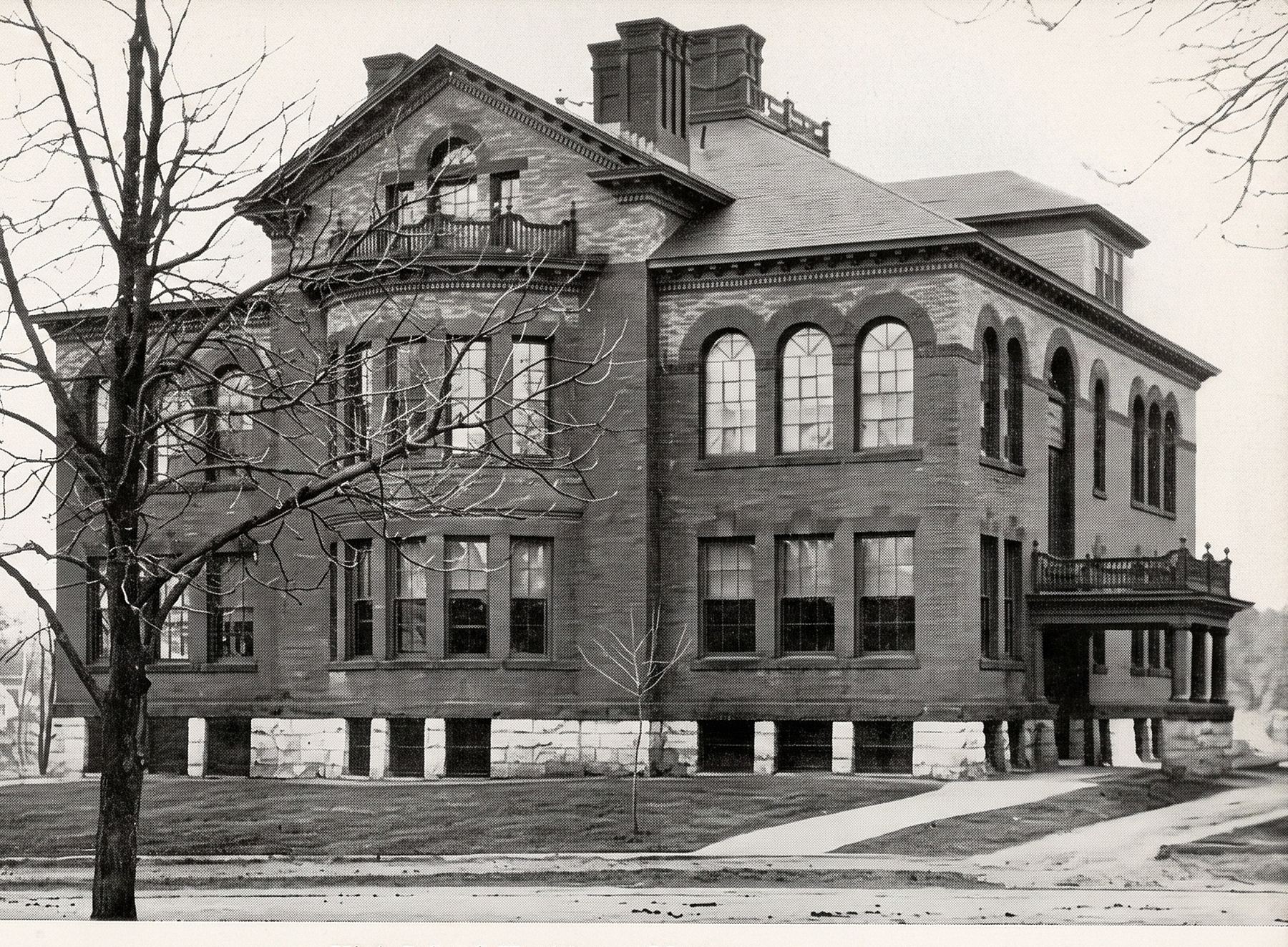
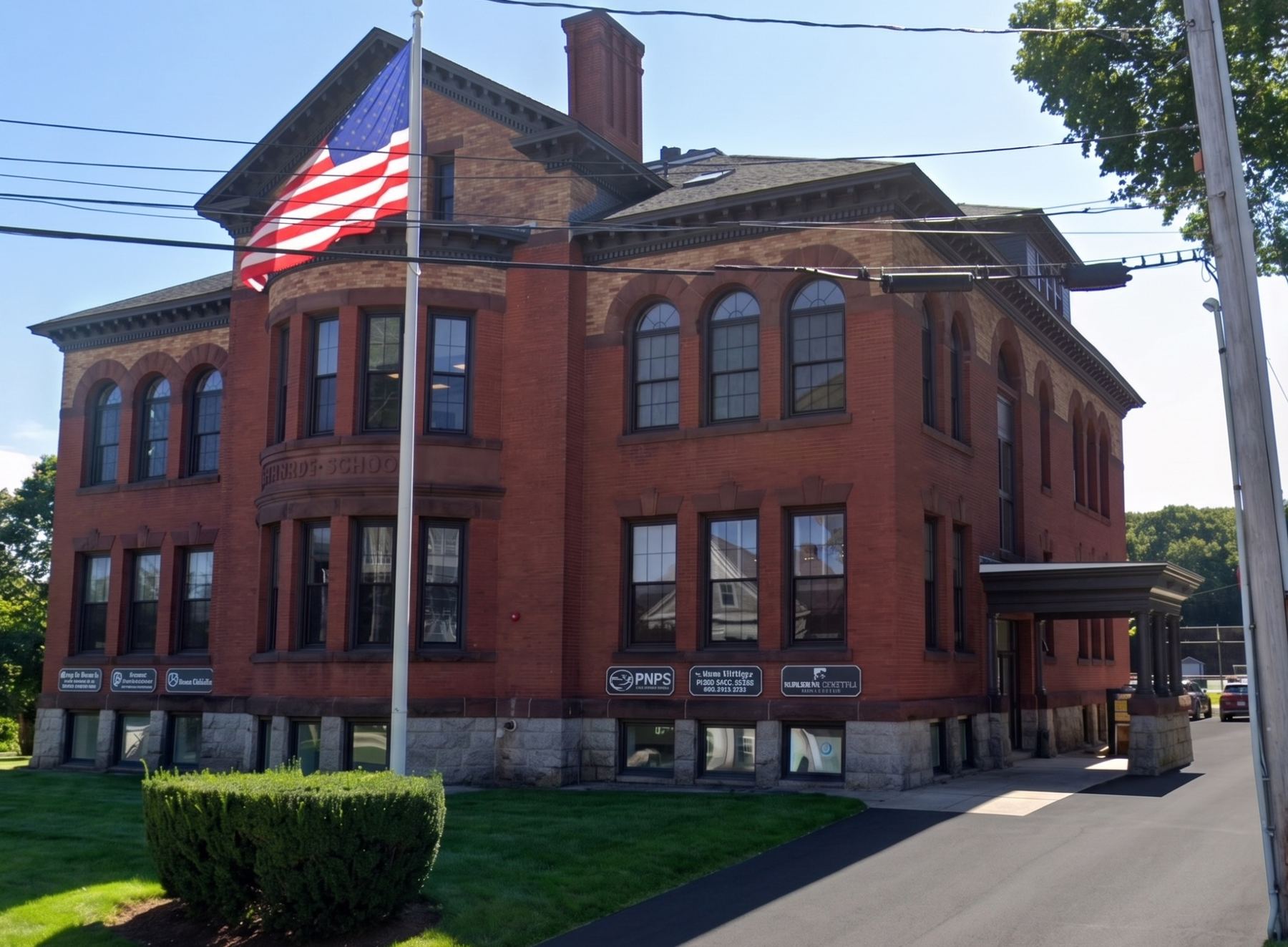
Hopkinton High School

Standing as a distinguished landmark at 85 Main Street, the former Hopkinton High School is a towering testament to 19th-century architecture. Constructed in 1875, this majestic red brick structure served generations of Hopkinton students before its successful conversion into premier commercial real estate.

Hopkinton High School, in an earlier era Then
Hopkinton High School, today Today

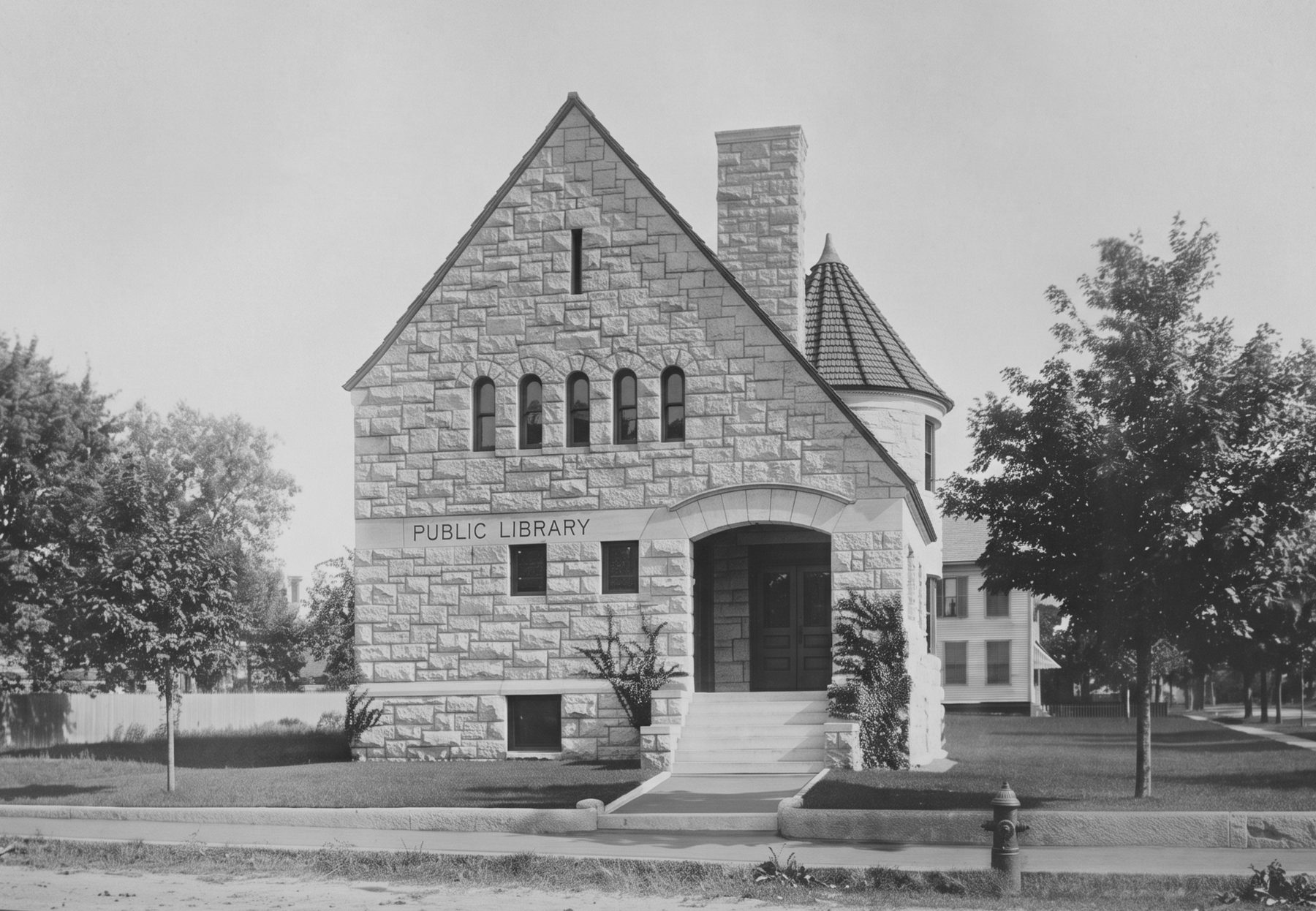
Hopkinton Public Library

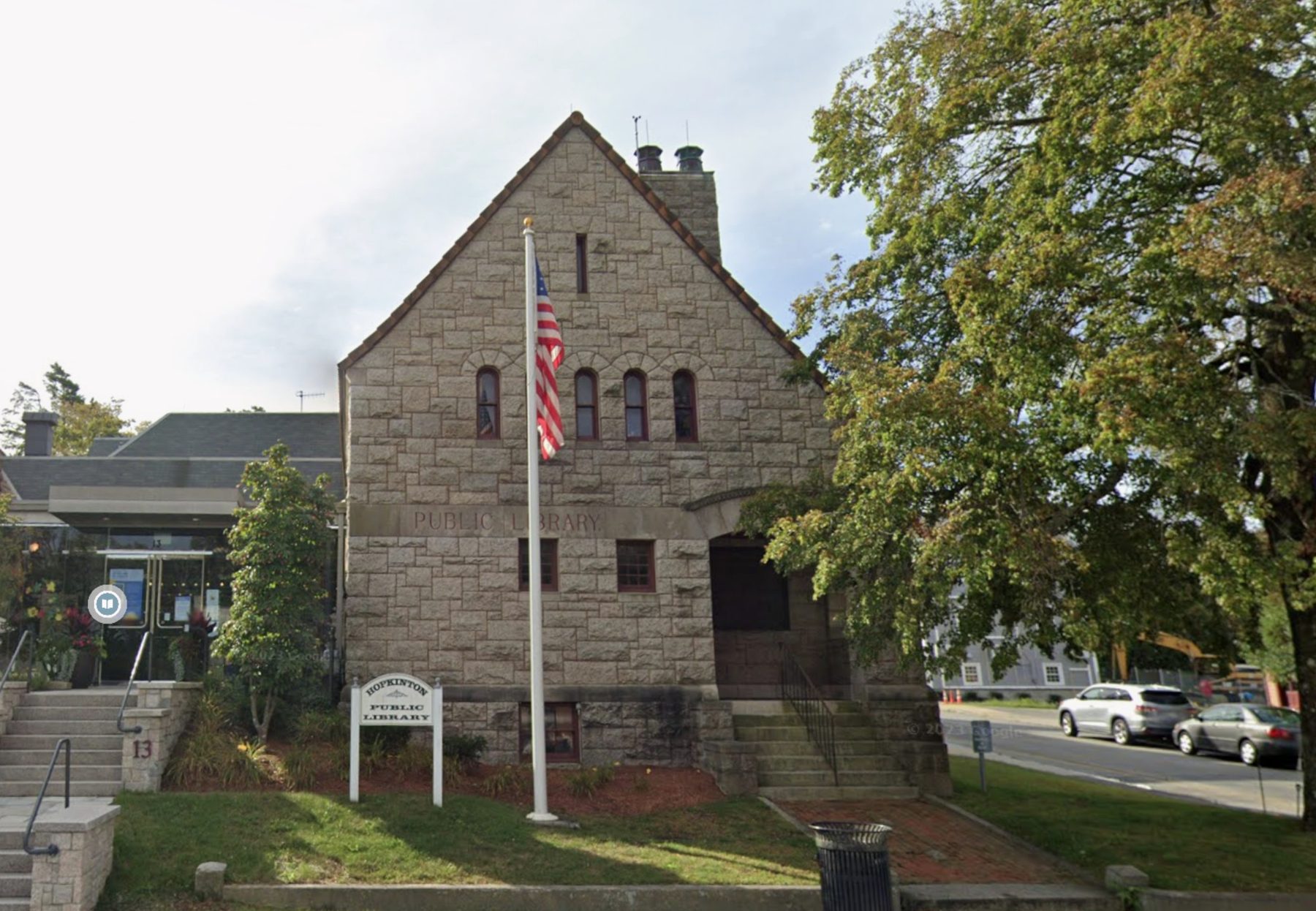
Built in 1895 of Milford granite in the Romanesque style, the Hopkinton Public Library was designed by architect Sandford Phipps and raised through contributions from residents and former residents of the town. Its ivy-covered turret and arched stone entrance still mark the corner of Main and Church Streets today.

Hopkinton Public Library, in an earlier era Then
Hopkinton Public Library, today Today

Hopkinton Supply

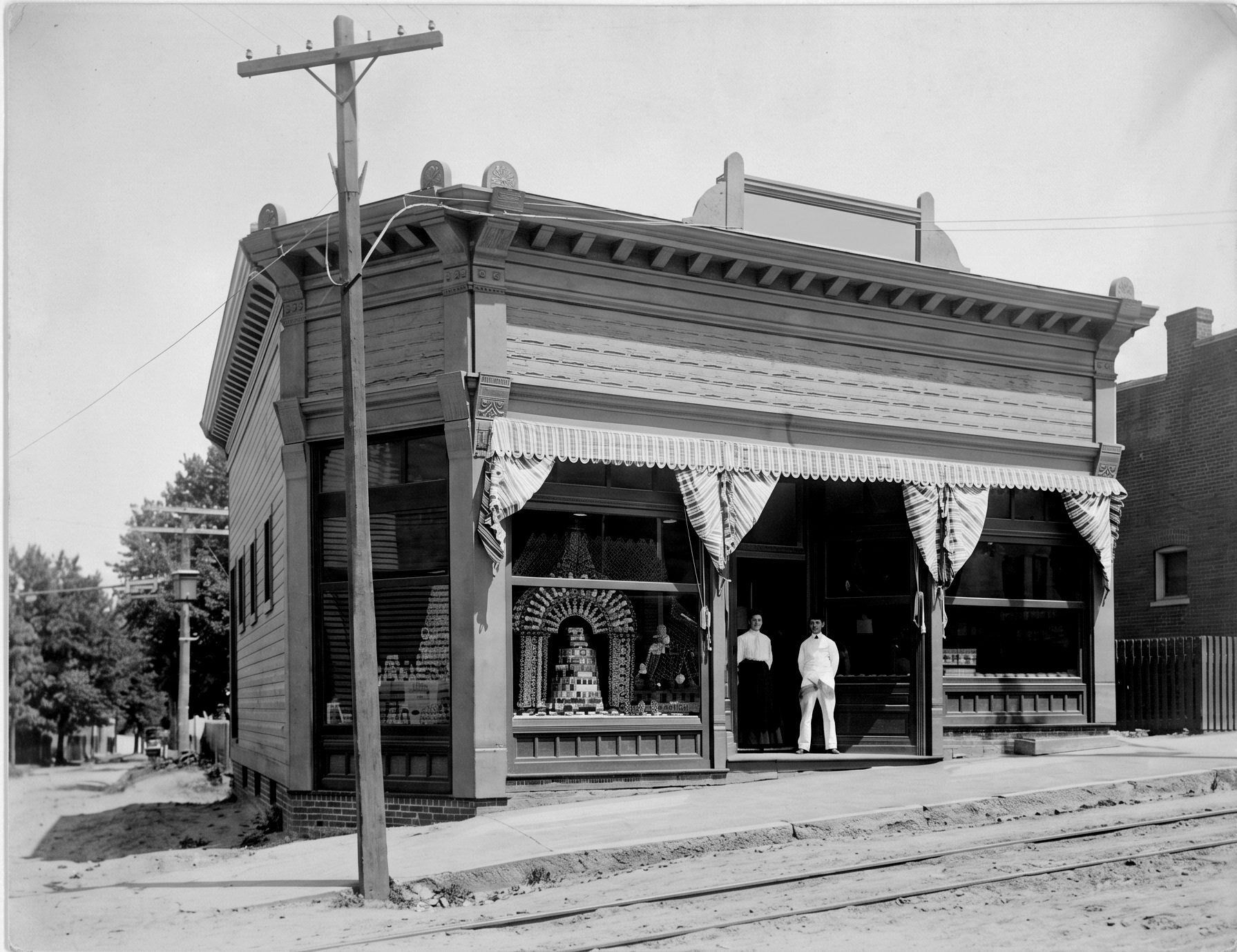
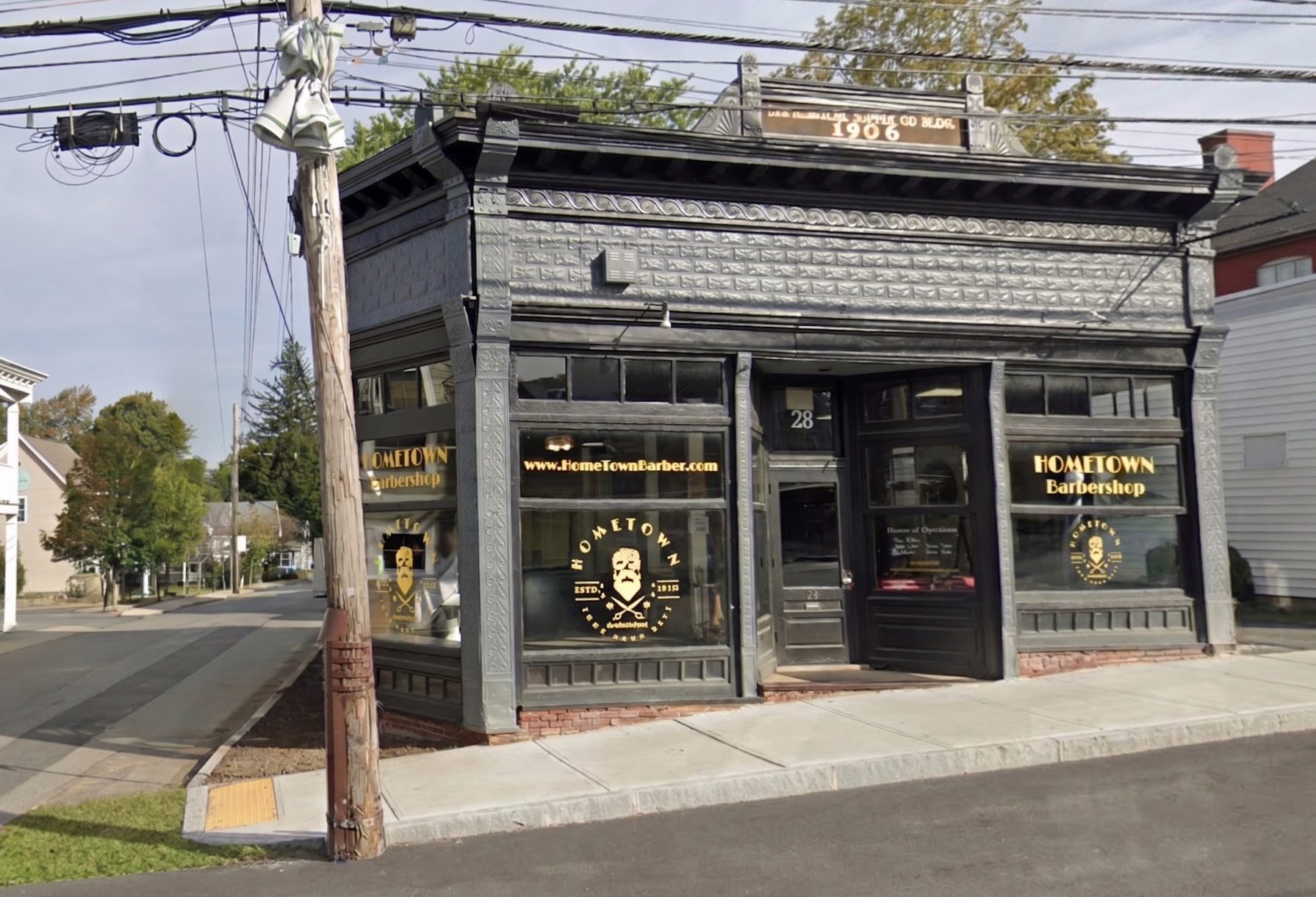
Built in 1906, this single-story storefront is a rare, well-preserved example of a "mail-order" commercial building — its ornate front facade made of galvanized pressed metal that was pre-manufactured and ordered straight from a catalog.

Hopkinton Supply, in an earlier era Then
Hopkinton Supply, today Today

Main Street

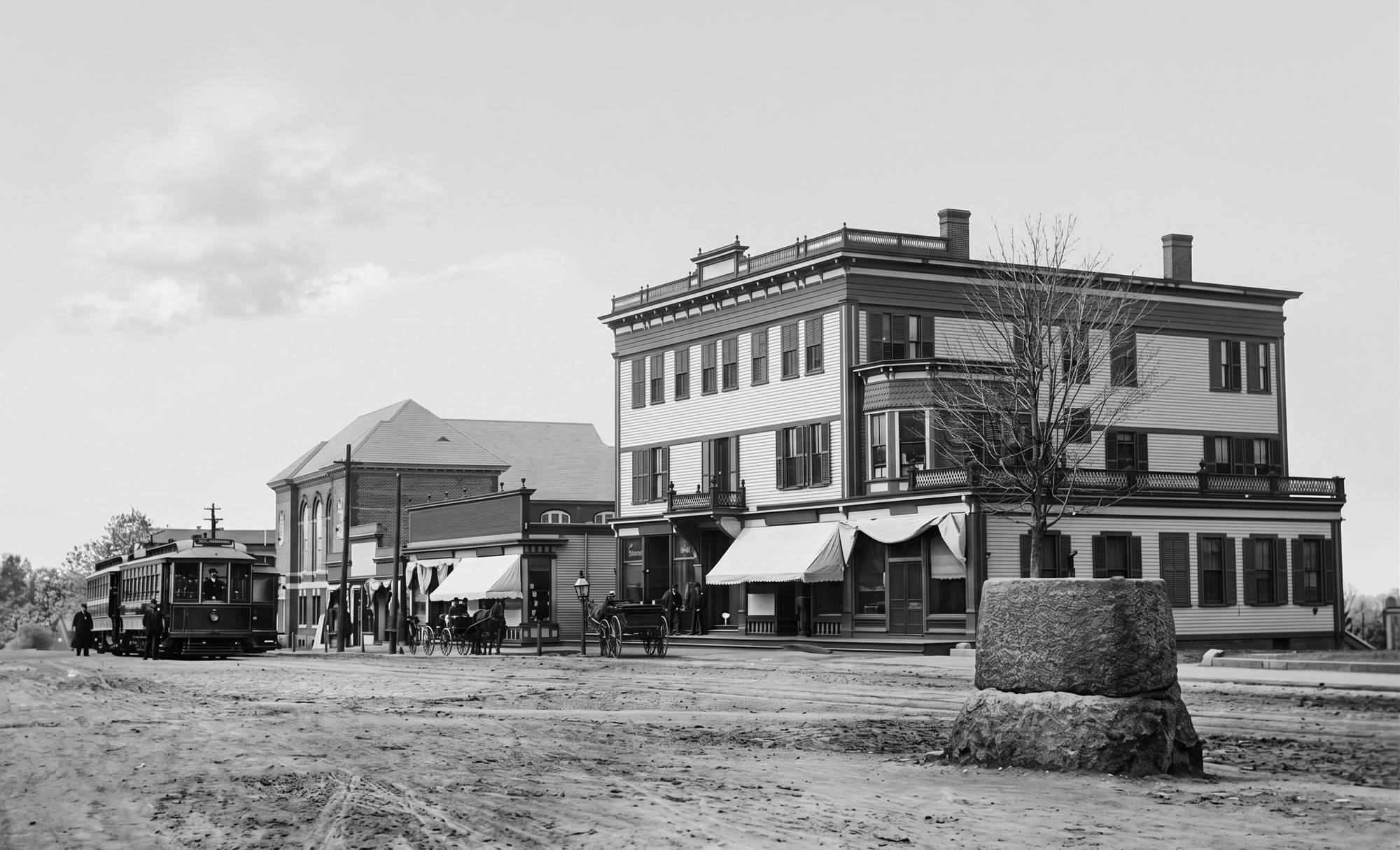
In 1897, Main Street was the working heart of Hopkinton — a hard-packed dirt road shared by horse-drawn carriages and one of the trolleys that once connected the town to its neighbors.

Main Street, in an earlier era Then
Main Street, today Today

Marcus Phipps Home

Marcus Phipps was part of the civic and industrial fabric of Hopkinton in the decades around 1915, with Marcus Chauncy Phipps as a long-serving town official and manufacturer and his son practicing medicine in town.

Marcus Phipps Home, in an earlier era Then
Marcus Phipps Home, today Today

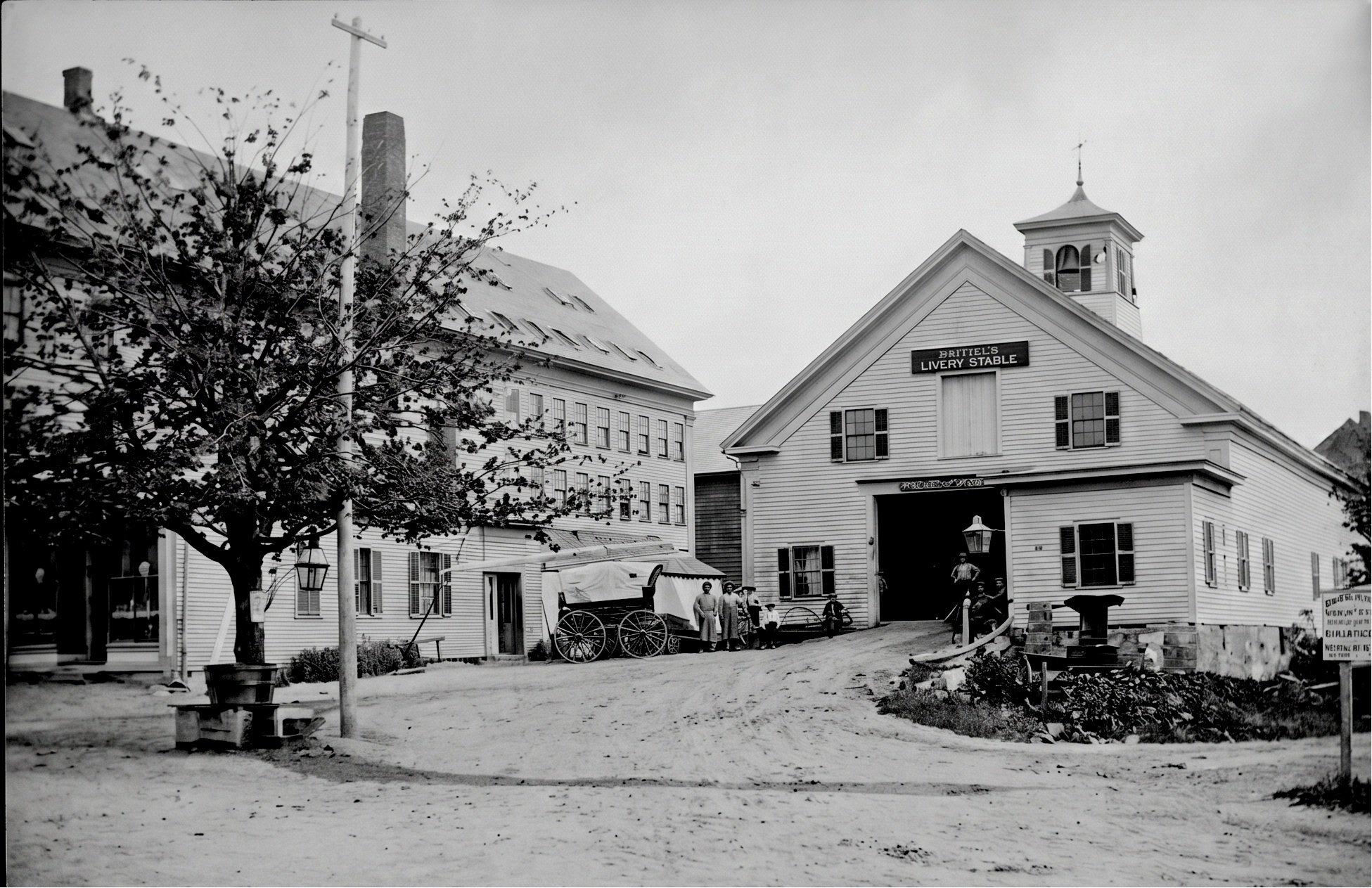
Phipps Livery Stable

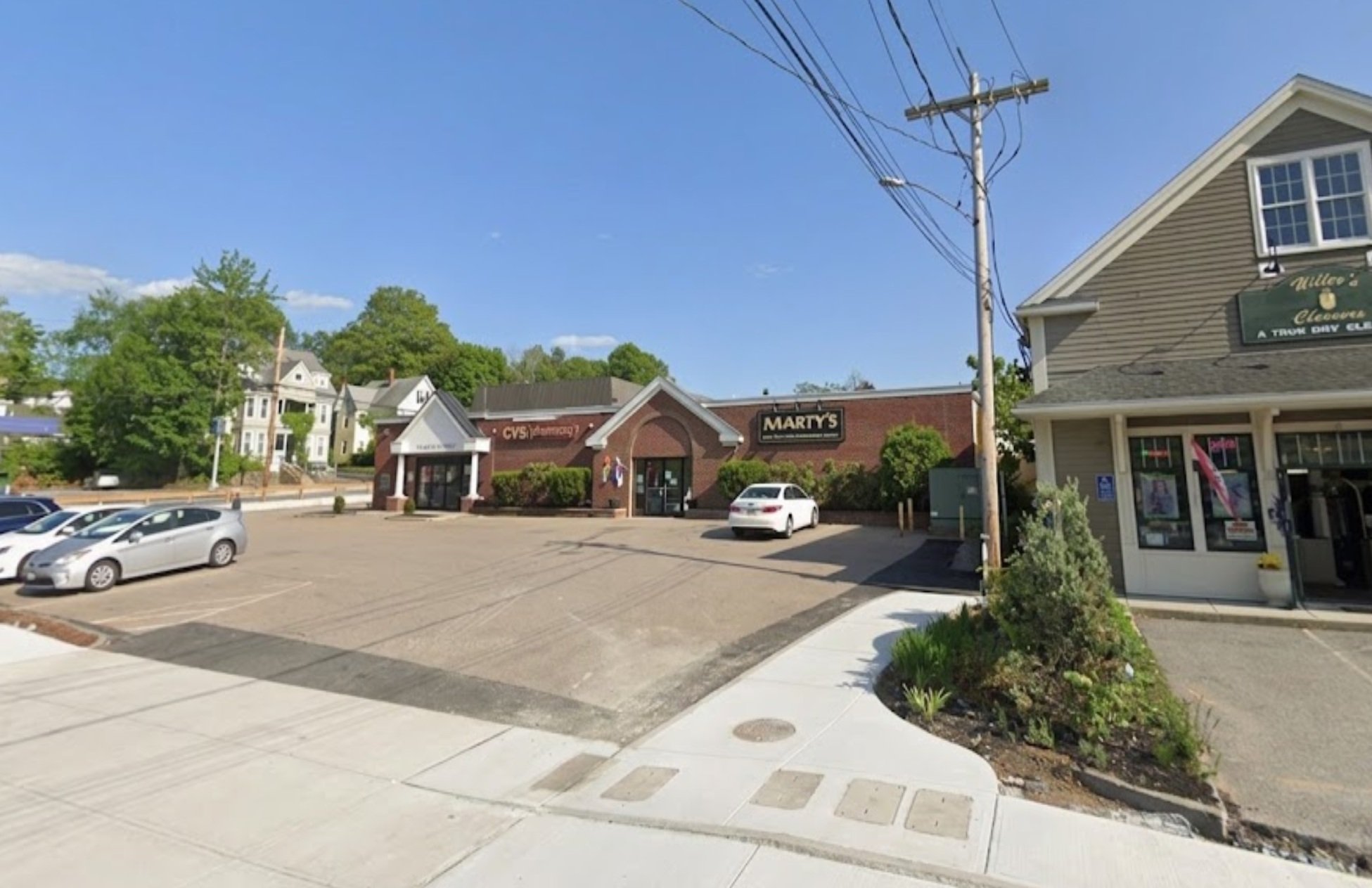
Photograph from Main Street of the Horace Phipps Livery Stable, with the Thompson Shoe Factory on the left. The top, third floor of the factory was later removed and the building became a car barn. In the 1940s this site was cleared and Colella's Supermarket and a bank were built here. Most recently, CVS and Marty's Liquors occupy the land where the Phipps Livery Stable once stood.

Phipps Livery Stable, in an earlier era Then
Phipps Livery Stable, today Today

St. Paul's Episcopal Church

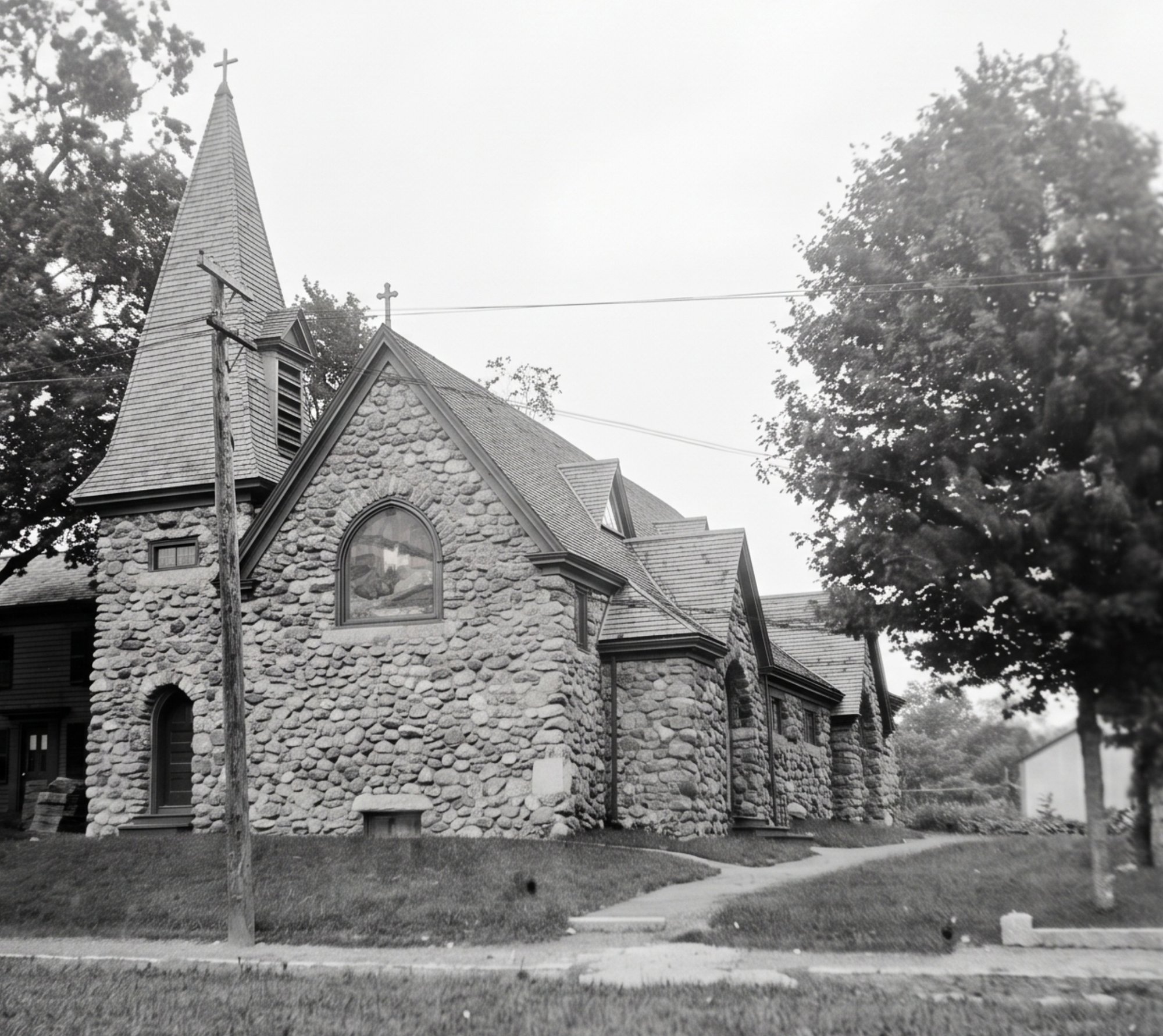
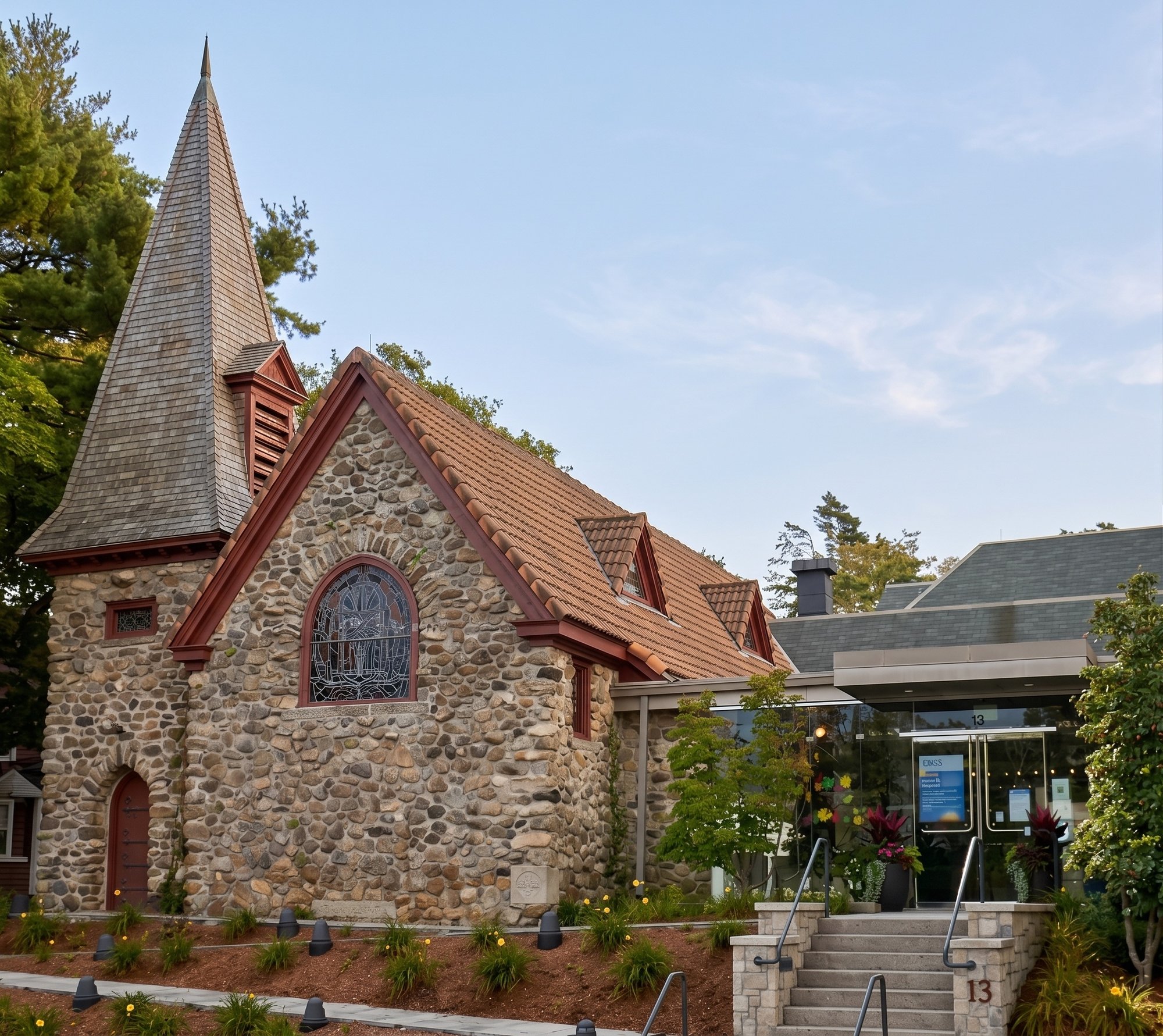
The stone Gothic Revival Episcopal church that stands on Main Street was built in 1898 and consecrated December 7, 1899. The land was donated by Sarah E. Whitin, the fieldstone came from Mrs. Alfred Phipps’s land, the architect was Rev. H. G. Wood of Winthrop, and the bell was a gift of The Fay School in Southborough. The building is now part of the expanded Hopkinton Public Library.

St. Paul's Episcopal Church, in an earlier era Then
St. Paul's Episcopal Church, today Today

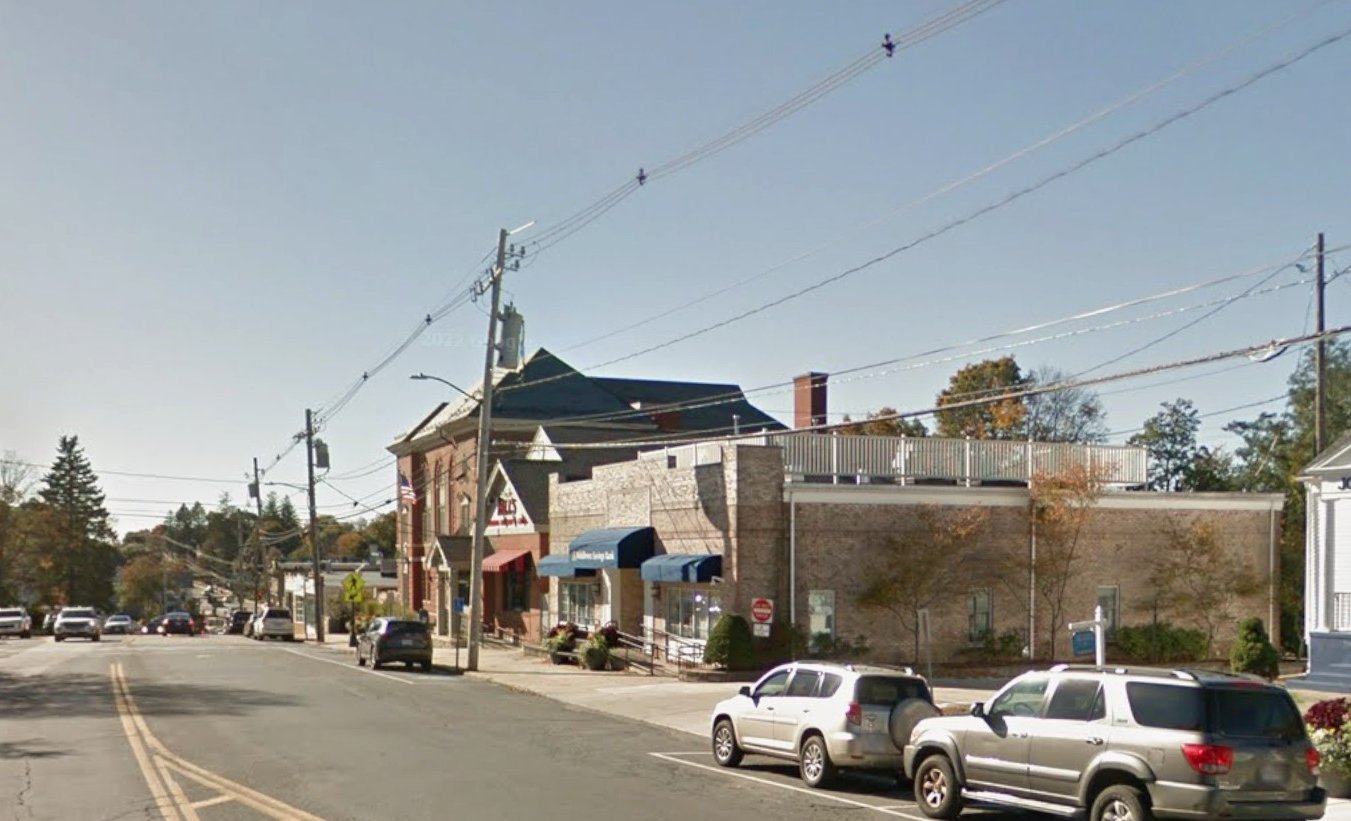
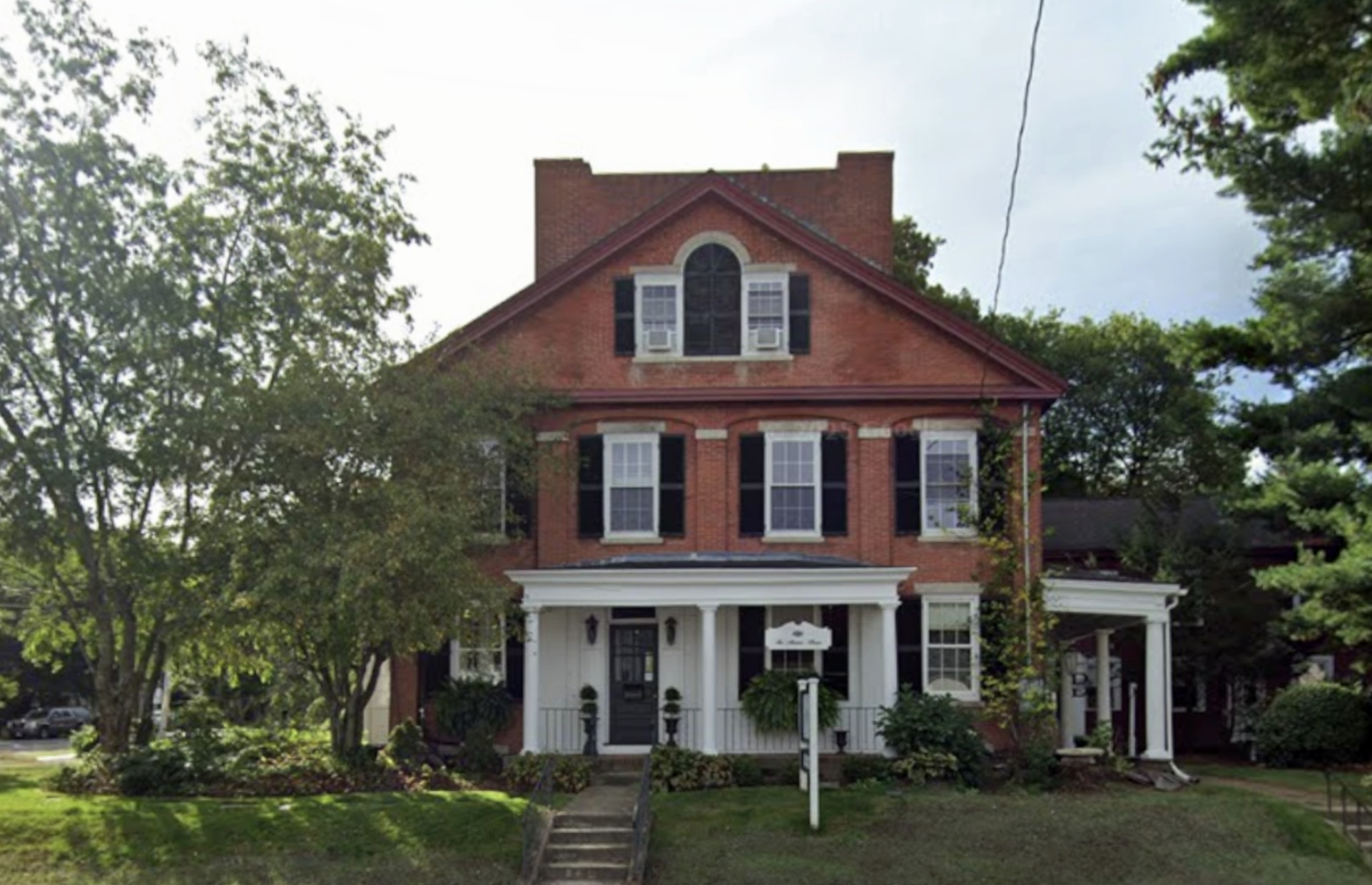
The Price Manor

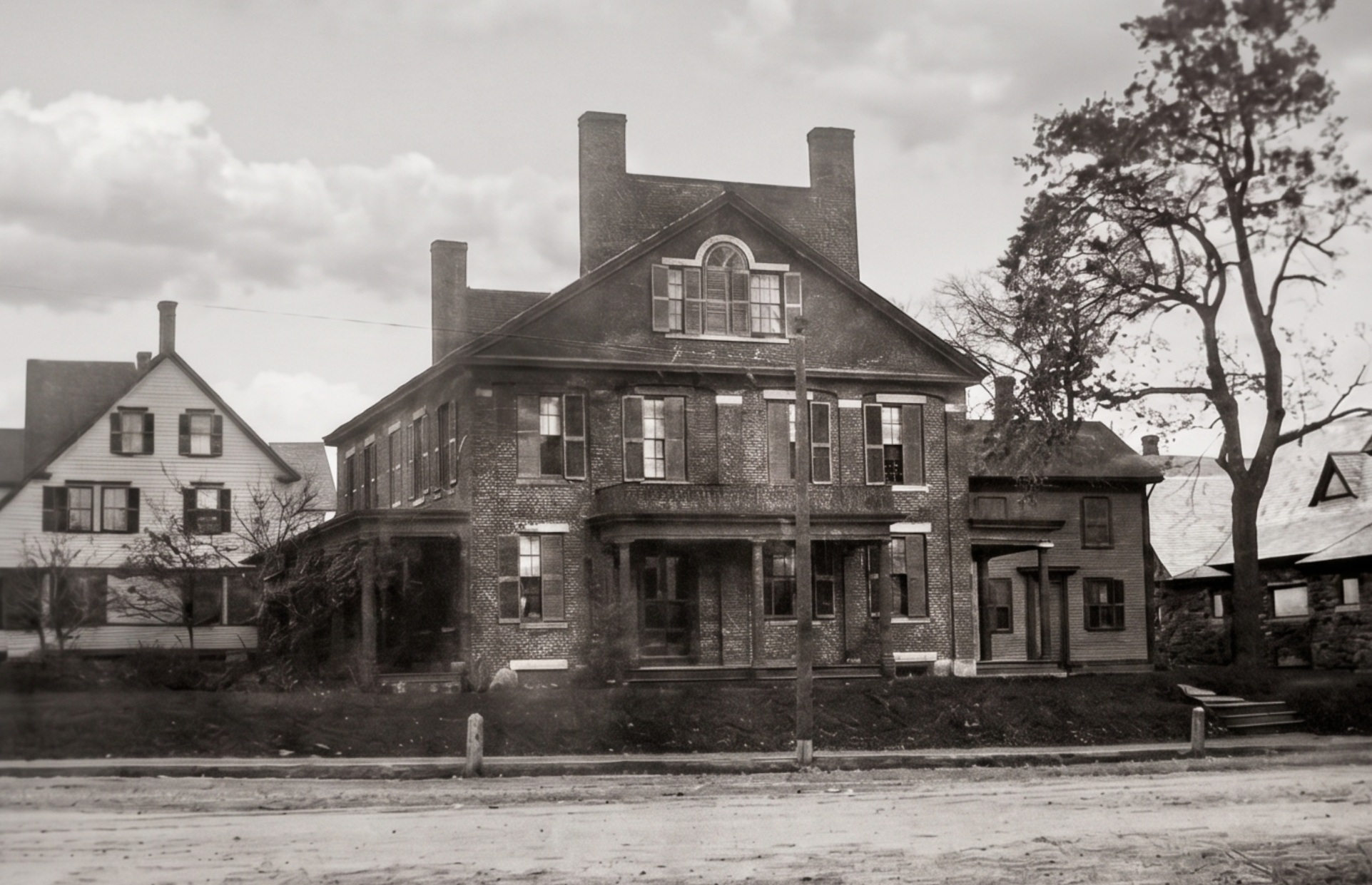
The brick building at the corner of Hayden Rowe Street and Main Street was constructed around 1830 and long known as the Manor House or Price Manor. In the nineteenth century it served as a bank; by the 1890s it had become a private residence, occupied first by Dr. Patten, later by Dr. Thompson in the early 1900s, and still later associated with Arthur Chesmore.

The Price Manor, in an earlier era Then
The Price Manor, today Today

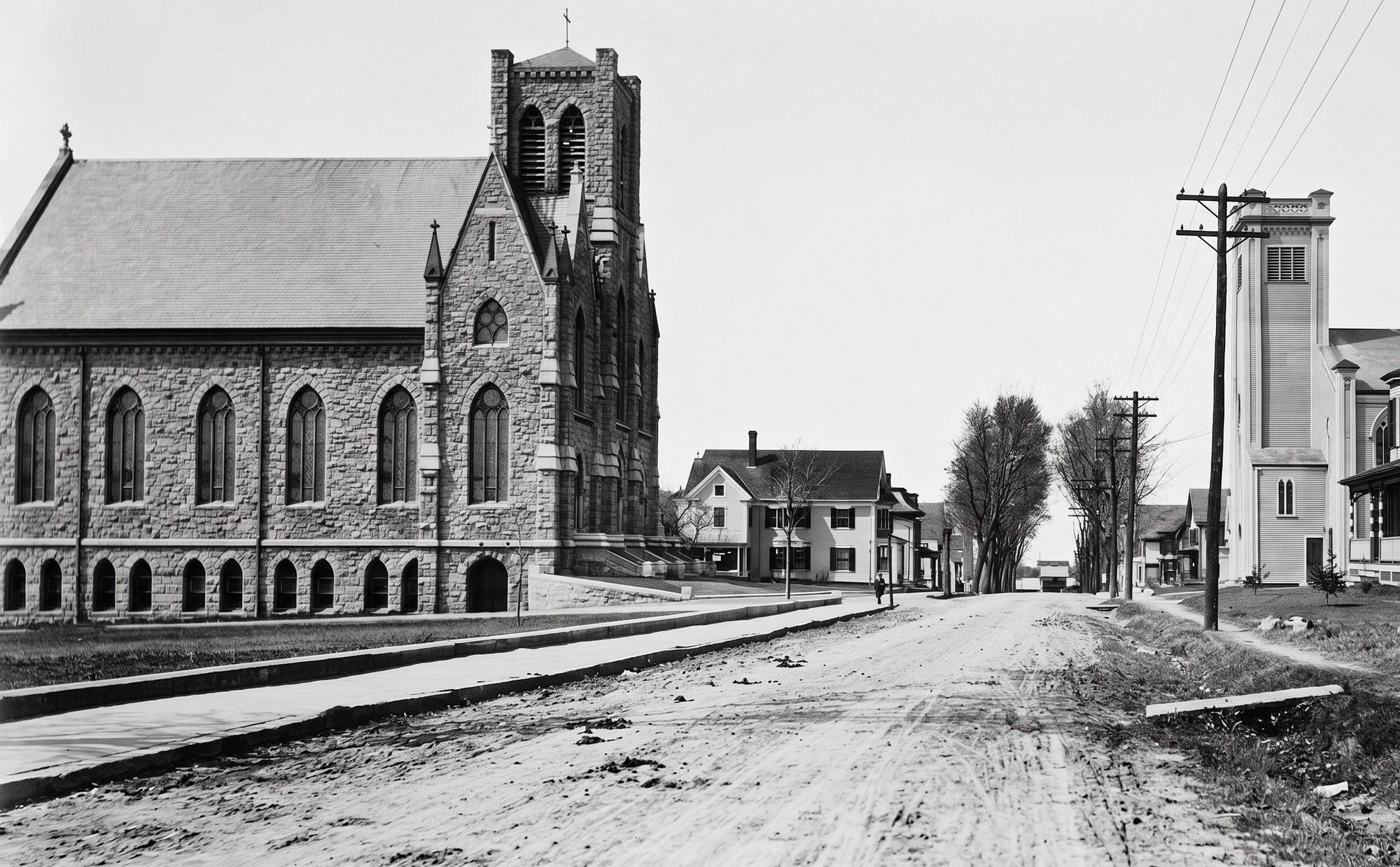
View From Church Street 1900

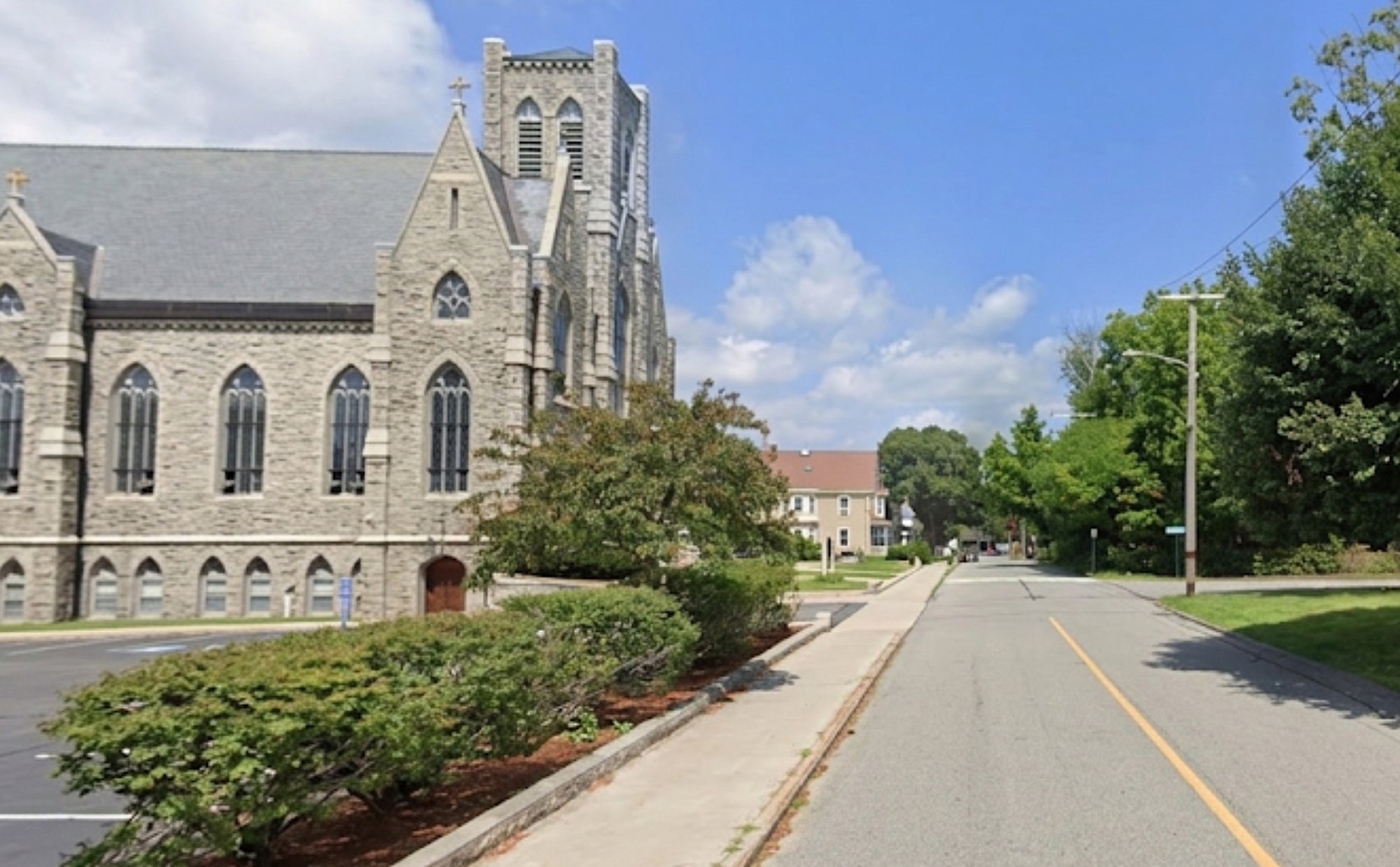
Church Street, with a view to the north. St. John's is the granite church structure to the left and the white wooden Methodist-Episcopal Church is on the right.

View From Church Street 1900, in an earlier era Then
View From Church Street 1900, today Today